Biography
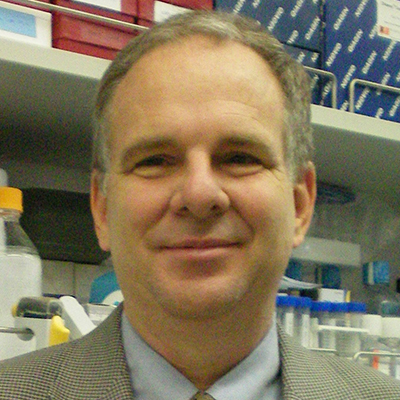
Dr. Alexander S. Young is a psychiatrist and health services researcher. He is Professor and Interim Chair of the Department of Psychiatry and Biobehavioral Sciences, and Interim Director of the Semel Institute for Neuroscience & Human Behavior at the David Geffen School of Medicine at UCLA. He is Interim Physician-in-Chief of the Resnick Neuropsychiatric Hospital. He is Associate Director of the Veterans Desert Pacific MIRECC Health Services Unit at the Greater Los Angeles Veterans Healthcare System. He is board certified in Psychiatry and Clinical Informatics. Dr. Young focuses on community psychiatry, serious mental illness, studying and improving the quality and value of healthcare, implementation science, patient-reported outcomes, and health informatics. He has led research grants studying implementation of effective practices, informatics systems to support improved care, and implementation of interventions to improve care. Recent grants from VA, NIMH and other funders include studying an internet-based, peer-supported system that provides tailored education regarding diet and exercise to people with mental illness; studying computerized elicitation of preferences of mental health patients; and evaluating a housing first program. He is currently studying the implementation and effectiveness of a Patient-Centered Medical Home model with integrated mental health care to improve the primary care of people with serious mental illness; and use of smart phone data to predict behaviors and symptoms in patients with mental illness.
Publications
A selected list of publications:
Chrystal Joya G, Glover Dawn L, Young Alexander S, Whelan Fiona, Austin Erika L, Johnson Nancy K, Pollio David E, Holt Cheryl L, Stringfellow Erin, Gordon Adam J, Kim Theresa A, Daigle Shanette G, Steward Jocelyn L, Kertesz Stefan G
Experience of primary care among homeless individuals with mental health conditions PloS one, 2015; 10(2): e0117395.
Kertesz Stefan G, Pollio David E, Jones Richard N, Steward Jocelyn, Stringfellow Erin J, Gordon Adam J, Johnson Nancy K, Kim Theresa A, Daigle Shanette G, Austin Erika L, Young Alexander S, Chrystal Joya G, Davis Lori L, Roth David L, Holt Cheryl L
Development of the Primary Care Quality-Homeless (PCQ-H) instrument: a practical survey of homeless patients’ experiences in primary care Medical care, 2014; 52(8): 734-42.
Kertesz Stefan G, Holt Cheryl L, Steward Jocelyn L, Jones Richard N, Roth David L, Stringfellow Erin, Gordon Adam J, Kim Theresa W, Austin Erika L, Henry Stephen Randal, Kay Johnson N, Shanette Granstaff U, O’Connell James J, Golden Joya F, Young Alexander S, Davis Lori L, Pollio David E
Comparing homeless persons’ care experiences in tailored versus nontailored primary care programs American journal of public health, 2013; 103 Suppl 2(1): S331-9.
Hamilton Alison B, Cohen Amy N, Glover Dawn L, Whelan Fiona, Chemerinski Eran, McNagny Kirk P, Mullins Deborah, Reist Christopher, Schubert Max, Young Alexander S
Implementation of evidence-based employment services in specialty mental health Health services research, 2013; 48(6 Pt 2): 2224-44.
Addinall Stephen Gregory, Holstein Eva-Maria, Lawless Conor, Yu Min, Chapman Kaye, Banks A Peter, Ngo Hien-Ping, Maringele Laura, Taschuk Morgan, Young Alexander, Ciesiolka Adam, Lister Allyson Lurena, Wipat Anil, Wilkinson Darren James, Lydall David
Quantitative fitness analysis shows that NMD proteins and many other protein complexes suppress or enhance distinct telomere cap defects PLoS genetics, 2011; 7(4): e1001362.
Young Alexander S, Niv Noosha, Chinman Matthew, Dixon Lisa, Eisen Susan V, Fischer Ellen P, Smith Jeffrey, Valenstein Marcia, Marder Stephen R, Owen Richard R
Routine outcomes monitoring to support improving care for schizophrenia: report from the VA Mental Health QUERI Community mental health journal, 2011; 47(2): 123-35.
Bystritsky Alexander, Kerwin Lauren, Niv Noosha, Natoli Jaime L, Abrahami Natalie, Klap Ruth, Wells Kenneth, Young Alexander S
Clinical and subthreshold panic disorder Depression and anxiety, 2009; 25 Suppl 1: .
Nuechterlein Keith H, Green Michael F, Kern Robert S, Baade Lyle E, Barch Deanna M, Cohen Jonathan D, Essock Susan, Fenton Wayne S, Frese Frederick J, Gold James M, Goldberg Terry, Heaton Robert K, Keefe Richard S E, Kraemer Helena, Mesholam-Gately Raquelle, Seidman Larry J, Stover Ellen, Weinberger Daniel R, Young Alexander S, Zalcman Steven, Marder Stephen R
The MATRICS Consensus Cognitive Battery, part 1: test selection, reliability, and validity The American journal of psychiatry, 2008; 165(2): 203-13.
Young Alexander S, Chaney Edmund, Shoai Rebecca, Bonner Laura, Cohen Amy N, Doebbeling Brad, Dorr David, Goldstein Mary K, Kerr Eve, Nichol Paul, Perrin Ruth
Information technology to support improved care for chronic illness Journal of general internal medicine, 2007; 22 Suppl 3(7): 425-30.
Azrin, S. T. Huskamp, H. A. Azzone, V. Goldman, H. H. Frank, R. G. Burnam, M. A. Normand, S. L. Ridgely, M. S. Young, A. S. Barry, C. L. Busch, A. B. Moran, G.
Impact of full mental health and substance abuse parity for children in the Federal Employees Health Benefits Program Pediatrics, 2007; 119(2): e452-9.
Young, A. S. Chaney, E. Shoai, R. Bonner, L. Cohen, A. N. Doebbeling, B. Dorr, D. Goldstein, M. K. Kerr, E. Nichol, P. Perrin, R.
Information technology to support improved care for chronic illness J Gen Intern Med, 2007; 22 Suppl 3(number): 425-30.
Azrin Susan T, Huskamp Haiden A, Azzone Vanessa, Goldman Howard H, Frank Richard G, Burnam M Audrey, Normand Sharon-Lise T, Ridgely M Susan, Young Alexander S, Barry Colleen L, Busch Alisa B, Moran Garrett
Impact of full mental health and substance abuse parity for children in the Federal Employees Health Benefits Program Pediatrics, 2007; 119(2): e452-9.
Bogart, L. M. Fremont, A. M. Young, A. S. Pantoja, P. Chinman, M. Morton, S. Koegel, P. Sullivan, G. Kanouse, D. E.
Patterns of HIV care for patients with serious mental illness AIDS Patient Care STDS, 2006; 20(3): 175-82.
Goldman, H. H. Frank, R. G. Burnam, M. A. Huskamp, H. A. Ridgely, M. S. Normand, S. L. Young, A. S. Barry, C. L. Azzone, V. Busch, A. B. Azrin, S. T. Moran, G. Lichtenstein, C. Blasinsky, M.
Behavioral health insurance parity for federal employees N Engl J Med, 2006; 354(13): 1378-86.
Goldman Howard H, Frank Richard G, Burnam M Audrey, Huskamp Haiden A, Ridgely M Susan, Normand Sharon-Lise T, Young Alexander S, Barry Colleen L, Azzone Vanessa, Busch Alisa B, Azrin Susan T, Moran Garrett, Lichtenstein Carolyn, Blasinsky Margaret
Behavioral health insurance parity for federal employees The New England journal of medicine, 2006; 354(13): 1378-86.
Hoge Michael A, Paris Manuel, Adger Hoover, Collins Frank L, Finn Cherry V, Fricks Larry, Gill Kenneth J, Haber Judith, Hansen Marsali, Ida D J, Kaplan Linda, Northey William F, O’Connell Maria J, Rosen Anita L, Taintor Zebulon, Tondora Janis, Young Alexander S
Workforce competencies in behavioral health: an overview Administration and policy in mental health, 2005; 32(5-6): 593-631.
Hoge, M. A. Paris, M., Jr. Adger, H., Jr. Collins, F. L., Jr. Finn, C. V. Fricks, L. Gill, K. J. Haber, J. Hansen, M. Ida, D. J. Kaplan, L. Northey, W. F., Jr. O’Connell, M. J. Rosen, A. L. Taintor, Z. Tondora, J. Young, A. S.
Workforce competencies in behavioral health: an overview Adm Policy Ment Health, 2005; 32(5-6): 593-631.
Young Alexander S
Dosages and outcomes Psychiatric services (Washington, D.C.), 2003; 54(11): 1547; author reply 1547-8.
Sturm, R. Gresenz, C. Sherbourne, C. Minnium, K. Klap, R. Bhattacharya, J. Farley, D. Young, A. S. Burnam, M. A. Wells, K. B.
The design of Healthcare for Communities: a study of health care delivery for alcohol, drug abuse, and mental health conditions Inquiry, 1999; 36(2): 221-33.
Matsuda, K. T. Cho, M. C. Lin, K. M. Smith, M. W. Young, A. S. Adams, J. A.
Clozapine dosage, serum levels, efficacy, and side-effect profiles: a comparison of Korean-American and Caucasian patients Psychopharmacology Bulletin, 1996; 32(2): 253-7.