Posts classified under: New Members

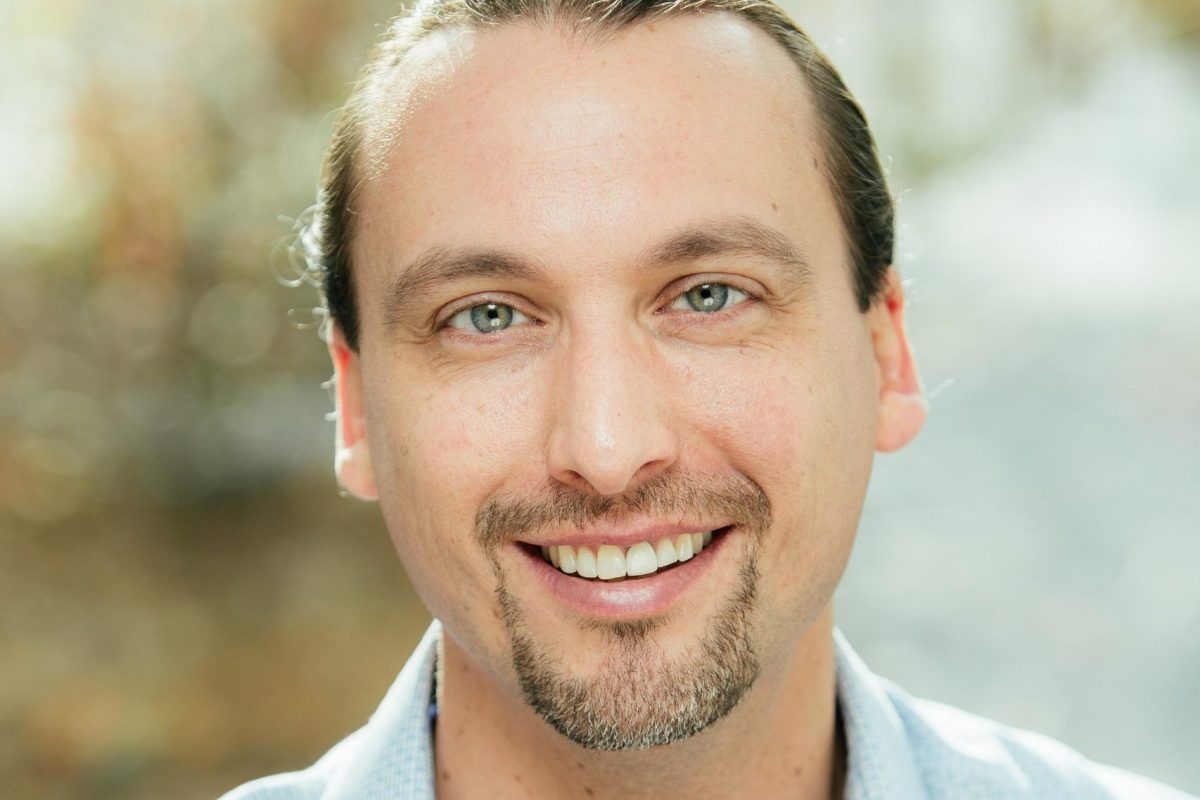
Joel Zylberberg, Ph.D.

Faculty Member

Professor
Department of Ophthalmology
David Geffen School of Medicine
University of California, Los Angeles


Personal Statement

I am a Canada Research Chair in Computational Neuroscience, and my research is focused on representations of visual information in artificial and biological neural networks, including those in the retina and visual cortex. Through this research, I have extensive experience in creating mechanistic models of retinal ganglion cell responses to visual stimulation and using information theory to understand how the responses of neurons in those models (and in my collaborators’ experiments) encode visual information. I also have substantial expertise in training artificial neural networks (ANNs) to predict the responses of neurons in visual cortex to natural image stimulation, and of training ANNs to infer a person’s sleep stage from LFP signals recorded by implanted electrodes. The proposed work will bring my areas of expertise together with those of my collaborators: my lab will develop and train ANNs to predict responses of retinal ganglion cells to naturalistic stimuli (recorded in the Field and Rieke labs). My research in this area has led to many impactful peer-reviewed publications and has been funded by multiple grants on which I am PI or co-I, including grants from: NIH; Natural Science and Engineering Research Council of Canada (NSERC); New Frontiers in Research Fund; Google; Sloan Foundation; and Canadian Institute For Advanced Research (CIFAR). In my role as PI (since 2015), I have gained substantial experience in recruiting and mentoring trainees, managing research projects, and delivering high quality results to the scientific community. In summary, I have the necessary technical background, and leadership experience, to successfully carry out the proposed work.


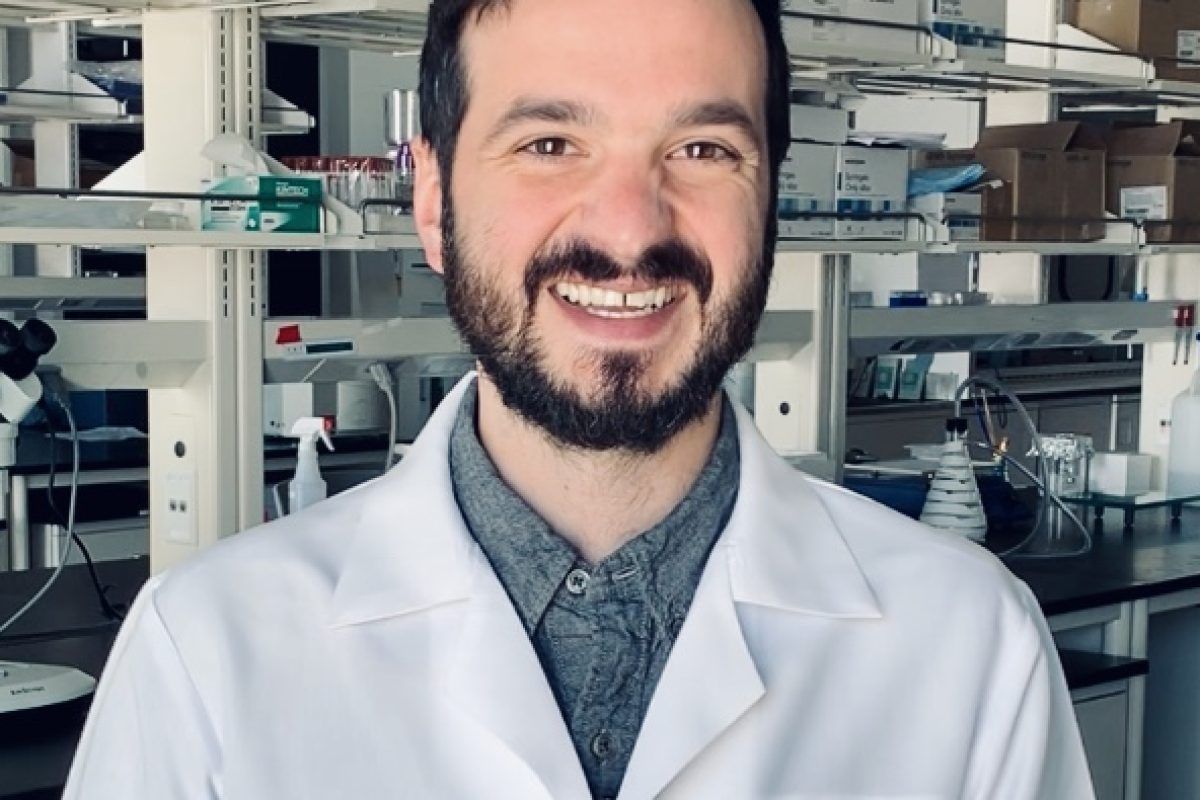
Avi Samelson, Ph.D.

Faculty Member

Assistant Professor
Department of Neurology
David Geffen School of Medicine
University of California, Los Angeles


Personal Statement

Accurate protein folding is essential for cellular function. Protein misfolding and aggregation is implicated in widespread diseases. My lab applies biophysical, biochemical, and systems genetics techniques to characterize how cells control protein aggregation and find novel targets for protein aggregation diseases.

As a graduate student in Susan Marqusee’s Lab at UC Berkeley, I created new technologies to probe the fundamental biophysical properties of proteins in physiological contexts. Current quantitative descriptions of protein behavior are derived from experiments in the test tube that do not recapitulate fundamental aspects of cell biology, such as protein translation. I created new technologies to probe how translation alters the biophysical properties of the emerging nascent chain. I discovered that translation changes the folding stability (∆Gfolding) and kinetics of the nascent chain (Samelson et al. PNAS 2016, Jensen, Samelson et al. JBC 2020), and that translation can fundamentally alter a protein’s folding pathway to avoid aggregation (Samelson et al. Science Advances 2018). These works highlight the importance of taking the cellular environment into account when studying protein folding and aggregation.

As a postdoc in Martin Kampmann’s Lab at UCSF, I extended this paradigm to protein aggregation in disease. I took an unbiased approach to finding cellular factors that control protein aggregation in human neurons. Aggregation of the protein tau is hallmark of many neurodegenerative diseases, including Alzheimer’s disease. Tau aggregates in disease-specific aggregate structures and patterns of spread in the brain. This strongly suggests that disease-causing perturbations to the cellular environment also exert conformational control that results in disease-specific tau aggregate structures. I established a CRISPR-based screening platform in iPSCderived neurons to systematically identify genetic modifiers of tau aggregation. I discovered a new tau E3 ubiquitin ligase, CRL5SOCS4 , and discovered how oxidative stress causes accumulation of a tau cleavage fragment that alters tau aggregation in vitro. My work highlights the power of using disease-relevant cell types as discovery tools to reveal disease mechanisms.

My independent research focuses on characterizing the conformational states a protein populates en route to its final aggregate state, a protein’s aggregation trajectory, and how cell types vulnerable to aggregation control that trajectory. My goal is to identify novel mechanisms that are therapeutic targets for neurodegeneration.

Rosalie Lawrence, Ph.D.

Faculty Member

Assistant Professor
Department of Biological Chemistry
David Geffen School of Medicine
University of California, Los Angeles


Personal Statement

I am a cell biologist fascinated by how stress remodels cellular metabolism. Cellular metabolism is not static: the cell can profoundly remodel metabolic networks in response to changing environmental cues including biological stressors. This remodeling process can enable cellular survival in response to acute stress, but can become maladaptive when the new metabolic state becomes chronic and impairs cellular function. This is especially true in the brain, a highly metabolically active organ composed of highly specialized cell types. Dysregulation of cellular stress responses and metabolism in the brain is a hallmark of age-related neurodegenerative disease.

 As a graduate student, I received excellent training in cell biological approaches to studying nutrient sensing and metabolism in the laboratory of Roberto Zoncu. I used live imaging to define mechanisms of amino acid-dependent mTORC1 recruitment to the lysosome and biochemical and structural approaches to discover the Lysosomal Folliculin Complex, which enables mTORC1 to distinguish between its many substrates in a nutrient-dependent manner. In my postdoc in the Peter Walter lab, I built expertise in diverse structural approaches and discovered the allosteric mechanism that activates the Integrated Stress Response. In my own lab, I am leveraging new structural and biochemical insights into mechanisms of Integrated Stress Response (ISR) signaling. Specifically, we model chronic ISR signaling states, which are associated with a wide variety of neurodegenerative diseases, from genetic gliopathies such as Vanishing White Matter Disease to complex neuropathologies such as down sydrome. We have used structure-guided engineering to generate chronic-ISR iPSCs which can be differentiated into disease-associated cell types, including white matter astrocytes and dopaminergic neurons.

I am excited to join the Brain Research Institute in order to interface with a diverse range of researchers and build collaborations to define mechanisms via which disordered stress signaling contributes to neurodegenerative diseases.

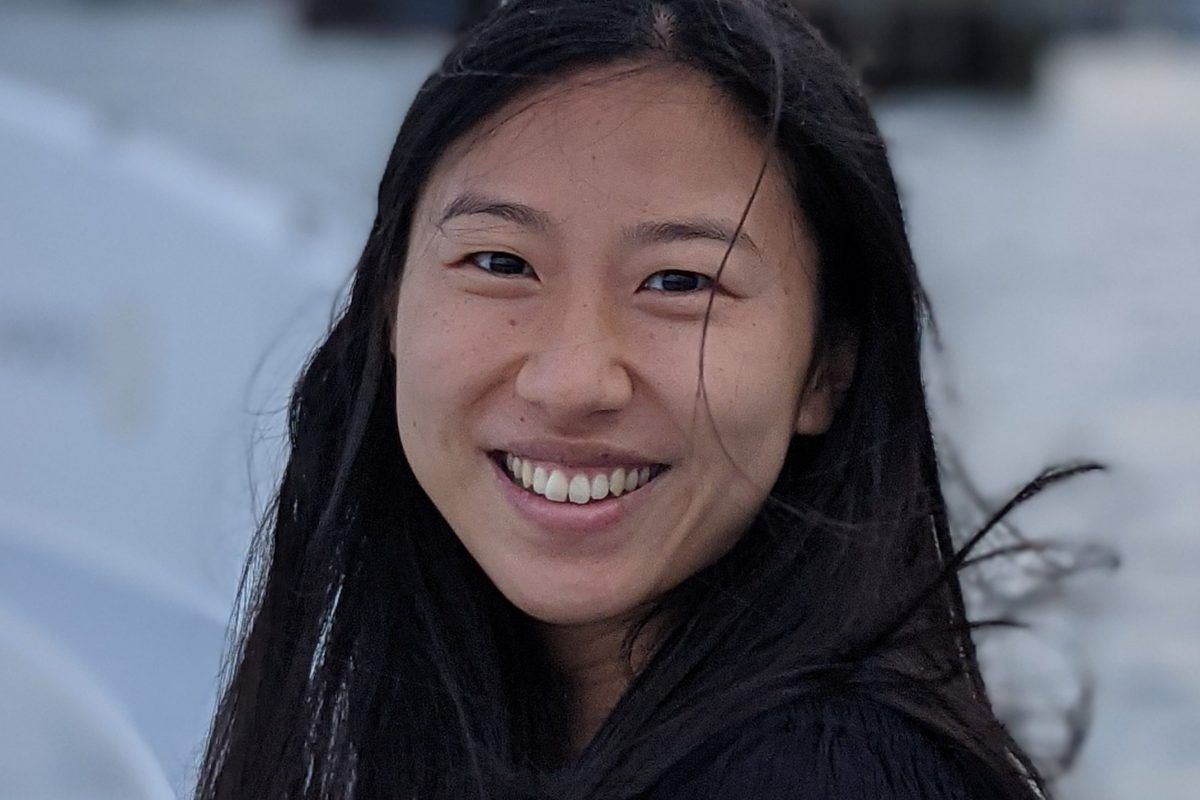
Nina Harawa, Ph.D., M.P.H.

Faculty Member

Professor
Department of Medicine
David Geffen School of Medicine
University of California, Los Angeles


Personal Statement

My research in the areas of HIV, substance use disorder, and incarceration involves substantial proportion of individuals with mental illness, brain injuries, PTSD, and intellectual disabilities. I am interested in the potential for collaborations with BRI researchers that might support or inform improved health for these populations.