

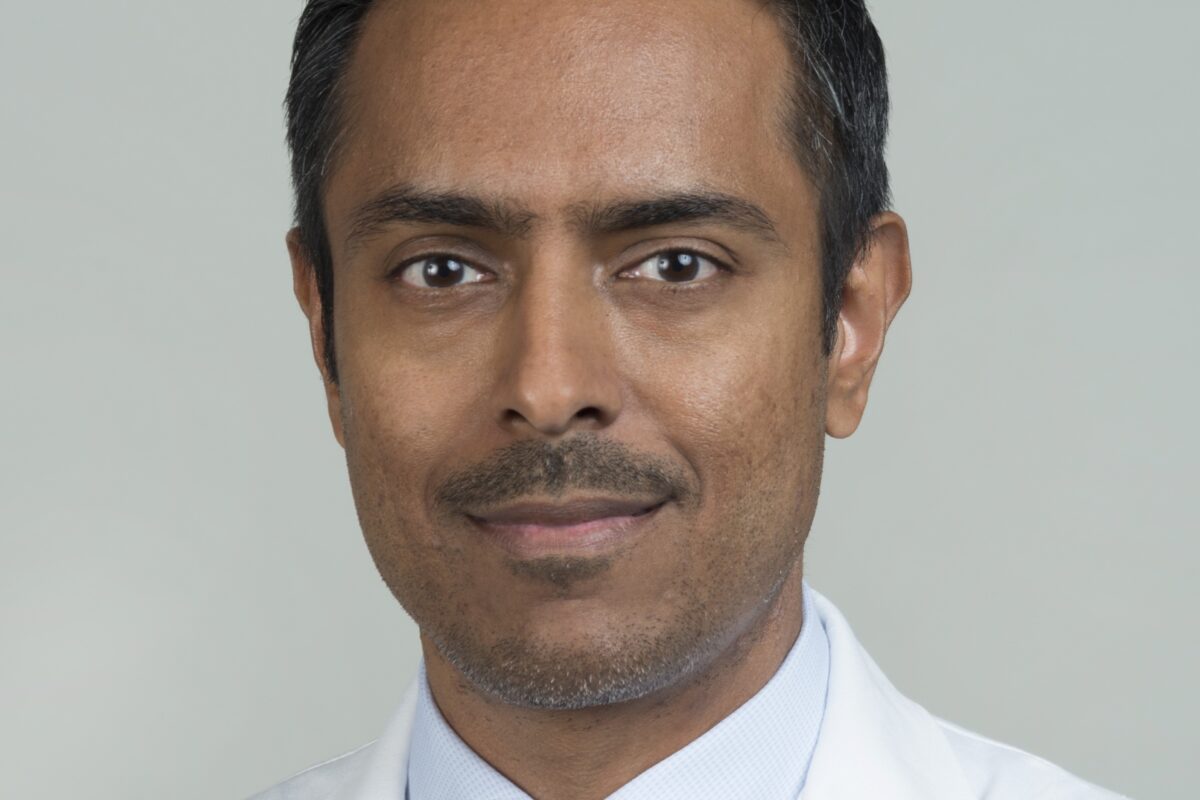
Dr. Bari specializes in the neurosurgical repair and restoration of brain and nerve function. Following his neurosurgery residency training at UCLA, Dr. Bari was awarded the prestigious William P. Van Wagenen Fellowship to train at the world-renowned functional neurosurgery program at the University of Toronto. He has extensive clinical and research experience in the use of deep brain stimulation (DBS) in the treatment of both movement and psychiatric disorders. Dr. Bari’s clinical practice includes DBS surgery for Parkinson’s disease, tremor, dystonia, depression and OCD. In addition, his clinical practice includes neurosurgery for brain tumors, pain, and peripheral nerve disorders.
Dr. Bari’s research focuses on an interdisciplinary approach to studying the neurobiology underlying movement and psychiatric disorders and expanding the frontiers of neurosurgery to treat those disorders. As a part of his fellowship training, Dr. Bari studied the relationship between the motor and reward systems of the brain and the use of deep brain stimulation to modify and enhance them. A native of California, Dr. Bari completed his neurosurgery residency training at UCLA after receiving his MD and PhD degrees from Boston University. He completed his undergraduate training at UC Berkeley in the field of neurobiology.
Research and Teaching Interests:
In everyday life, we encounter a continuous stream of information. Yet, because our mental resources are limited, we cannot process and remember everything we experience. This raises two critical questions: How do we prioritize and store important information in memory? How do unfolding experiences become organized into memories of meaningful events? My research examines the brain mechanisms that support these adaptive memory processes.
A key theoretical construct motivating my work is that physiological arousal plays a fundamental role in facilitating attention and memory. Decades of research show that people perceive and remember emotionally arousing events better than more mundane events. For example, experiencing a car crash or celebrating a birthday tend to be more memorable than a routine commute to work. Beyond simply enhancing processing of the emotional information, however, a surge in arousal can also spillover to enhance or impair processing of nearby neutral information. Spikes in arousal are also happening all the time and not just in response to emotional events. Consequently, even as everyday experiences unfold, arousal states may play a lead role in determining whether an event will be forgotten or etched into memory more permanently.
My research seeks to understand how arousal responses – particularly those elicited by emotional, stressful or motivating (rewarding/threatening) situations – influence: (1) what we remember: the information we selectively attend to and remember later on; (2) how we remember: the way in which memories become organized and updated over time; and (3) when we remember: certain neurochemical and brain states, such as elevated norepinephrine and dopamine release, that are induced before, during or after an event. To study these topics, my lab takes a multi-modal approach that includes functional and structural neuroimaging (fMRI/MRI/DTI), neurophysiology (eye tracking and hormone assays), pharmacology, and behavioral methods.
Biography:
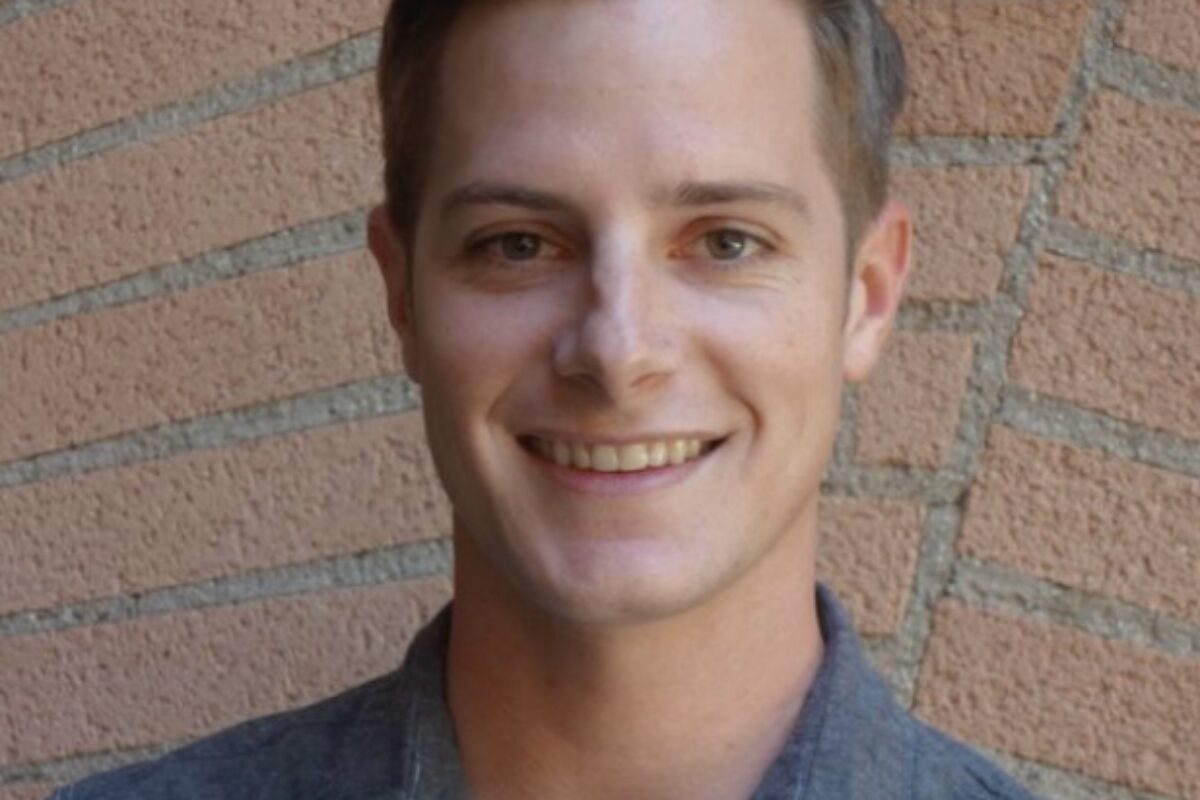
David Clewett will join UCLA as an Assistant Professor of Psychology in July 2020. He received his PhD in Neuroscience from the University of Southern California in 2016, where he worked with Dr. Mara Mather to study emotion-cognition interactions. He then conducted a postdoctoral fellowship with Dr. Lila Davachi at NYU and Columbia University, where he studied how episodic memories are constructed from continuous experience. Before attending graduate school, he received a B.S. degree in Biopsychology with a minor in English from the University of California, Santa Barbara.
Publications:
- Clewett, D.* & Murty, V.* (in press). Echoes of emotions past: How neuromodulators determine what we recollect. ENeuro. *authors contributed equally
- Clewett, D., Dubrow, S., & Davachi, L. (2019). Transcending time in the brain: How event memories emerge from experience. Hippocampus, 29(3), 162-183.
- Clewett, D., Huang, R., Velasco, R., Lee, T.H., & Mather, M. (2018). Locus coeruleus activity strengthens prioritized memories under arousal. Journal of Neuroscience, 38(6), 1558-1574.
- Clewett, D., & Davachi, L. (2017). The ebb and flow of experience determines the temporal structure of memory. Current Opinion in Behavioral Sciences, 17, 186-193.
- Clewett, D., Sakaki, M., Huang, R., Nielsen, S., & Mather, M. (2017). Arousal amplifies biased competition between high and low priority memories more in women than in men: the role of elevated noradrenergic activity. Psychoneuroendocrinology, 80, 80-91.
- Clewett, D., Sakaki, M., Nielsen, S., Petzinger, G., & Mather, M. (2017). Noradrenergic mechanisms of arousal’s bidirectional effects on episodic memory. Neurobiology of Learning and Memory, 137, 1-14.
- Mather, M., Clewett, D., Sakaki, M., & Harley, C. (2015). Norepinephrine ignites local hot spots of neuronal excitation: How arousal amplifies selectivity in perception and memory. Behavioral and Brain Sciences, 1-100.