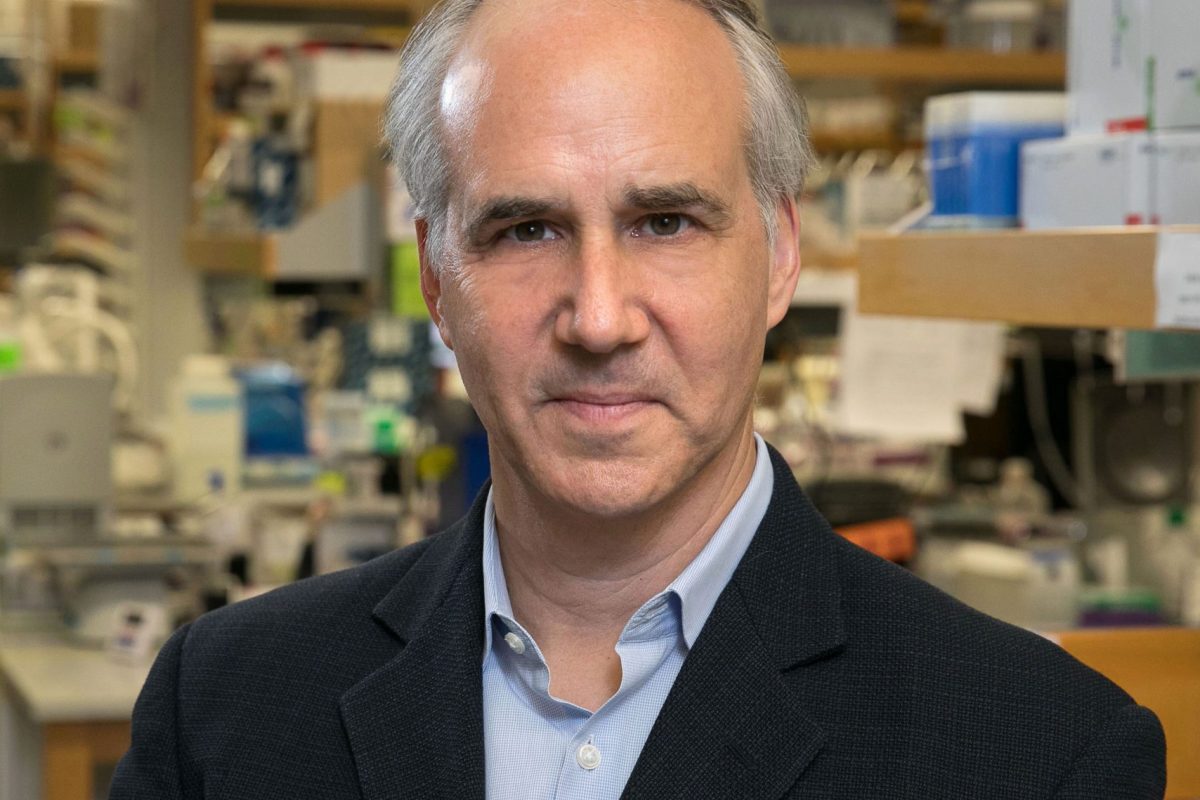

Harold Monbouquette, Ph.D., is a Professor of Chemical and Biomolecular Engineering. His group conducts research focused on sensors and diagnostics, as well as the application of nanotechnology to these areas. He has been instrumental in creating an implantable microprobe with neurochemical sensing sites that exhibit rapid response times (<100 msec) while retaining high selectivity, in incorporating multiple sensing modalities on the same probe, in developing a PDMS microstamping method to deposit enzyme to targeted microelectrode sites, and in fabricating an on-probe reference site that results in 60-70% reduction in sensor noise.
Faculty Member
Professor in Residence
Department of Neurosurgery
David Geffen School of Medicine
University of California, Los Angeles
Biography
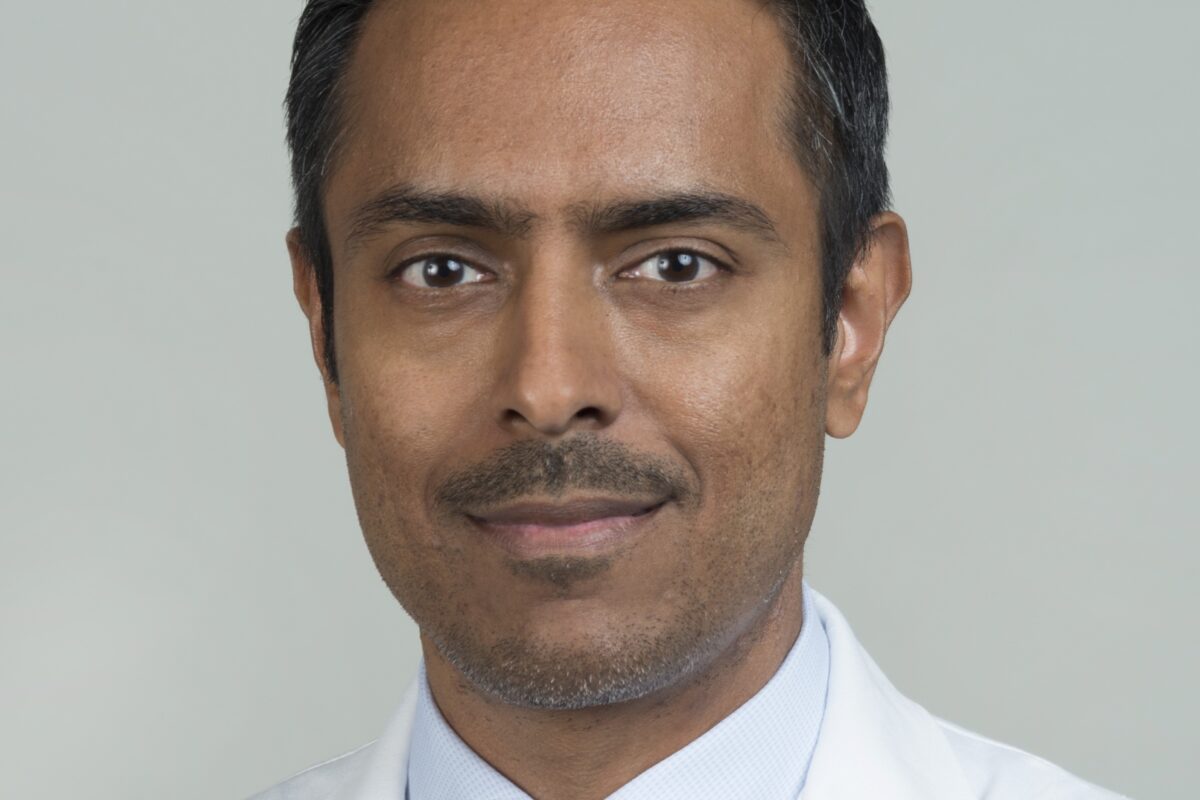
Dr. Bari specializes in the neurosurgical repair and restoration of brain and nerve function. Following his neurosurgery residency training at UCLA, Dr. Bari was awarded the prestigious William P. Van Wagenen Fellowship to train at the world-renowned functional neurosurgery program at the University of Toronto. He has extensive clinical and research experience in the use of deep brain stimulation (DBS) in the treatment of both movement and psychiatric disorders. Dr. Bari’s clinical practice includes DBS surgery for Parkinson’s disease, tremor, dystonia, depression and OCD. In addition, his clinical practice includes neurosurgery for brain tumors, pain, and peripheral nerve disorders.
Dr. Bari’s research focuses on an interdisciplinary approach to studying the neurobiology underlying movement and psychiatric disorders and expanding the frontiers of neurosurgery to treat those disorders. As a part of his fellowship training, Dr. Bari studied the relationship between the motor and reward systems of the brain and the use of deep brain stimulation to modify and enhance them. A native of California, Dr. Bari completed his neurosurgery residency training at UCLA after receiving his MD and PhD degrees from Boston University. He completed his undergraduate training at UC Berkeley in the field of neurobiology.
Faculty Member
Professor in Residence
Department of Psychiatry & Biobehavioral Sciences
David Geffen School of Medicine
University of California, Los Angeles
Neuroscience Research Building
635 Charles E. Young Dr S, Box 957332
Los Angeles, CA 90095
Biography
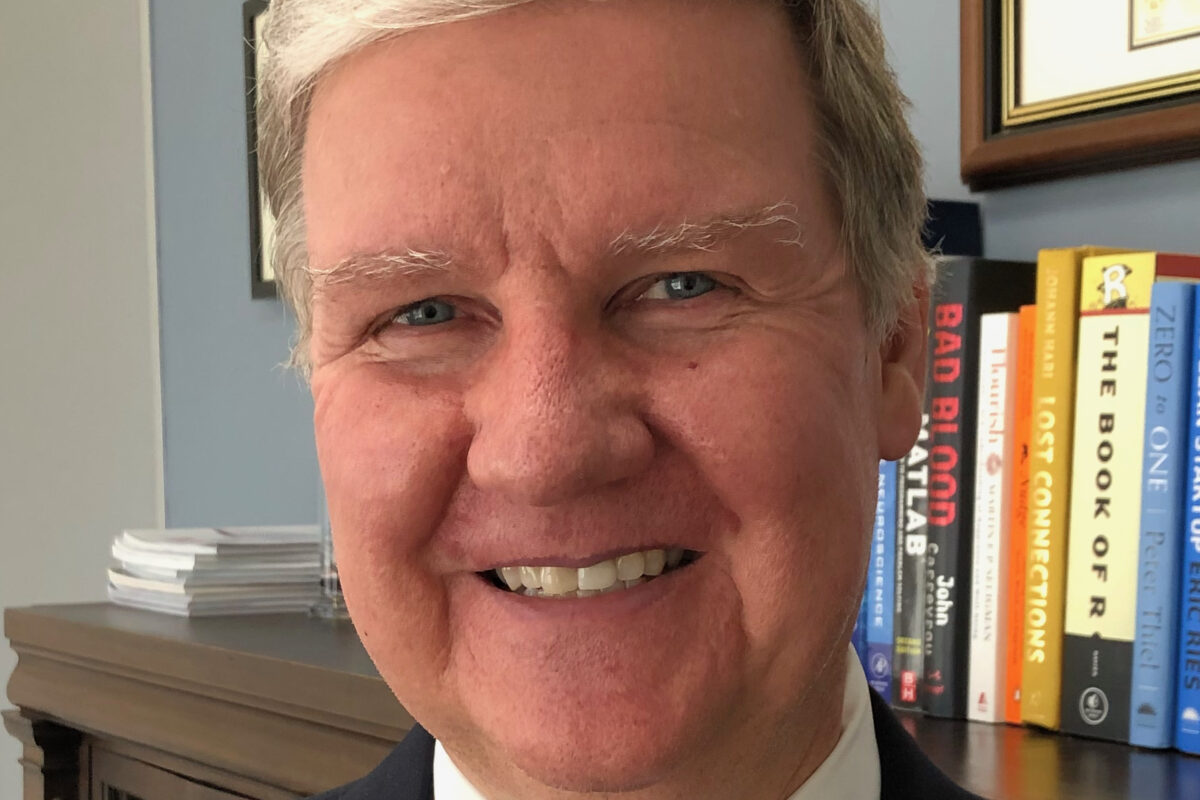
Dr. Andrews is Professor of Psychiatry at the University of California, Los Angeles. Dr. Andrews received her B.S. in Chemistry from the Pennsylvania State University and earned her Ph.D. in Chemistry as a U.S. Department of Education Fellow working at the National Institute of Mental Health, where she was later a postdoctoral fellow and senior staff fellow. At the NIMH, Andrews and her mentor, Dr. Dennis Murphy, discovered and characterized a novel serotonin neurotoxin, 2’-NH2-MPTP. Dr. Andrews was also instrumental in early studies on serotonin transporter-deficient mice. Andrews is a member of the Society for Neuroscience, American Chemical Society, and Society for Electroanalytical Chemistry. She has been the recipient of an NIH Fellows Award for Research Excellence, an Eli Lilly Outstanding Young Analytical Chemist Award, an American Parkinson’s Disease Association Research Award, and a Brain & Behavior Research Foundation (NARSAD) Independent Investigator Award. She is a fellow of the Collegium Internationale Neuropsychopharmacologicum and a Serotonin Club elected councilor. Recently, Dr. Andrews became Associate Editor for ACS Chemical Neuroscience.
At UCLA, Andrews leads efforts in basic and translational research on anxiety and depression, and at the nexus of nanoscience and neuroscience. Andrews’ interdisciplinary research team of neuroscientists, biologists, chemists, and engineers focuses on understanding how the serotonin system and particularly, the serotonin transporter, modulate neurotransmission to influence complex behaviors including anxiety, mood, stress responsiveness, and learning and memory. Genetic and pharmacologic mouse models and human genetic variants are studied to understand the molecular basis of serotonin system function associated with the etiology and treatment of mood and anxiety disorders. Key proteins (e.g., brain-derived neurotrophic factor) and neuronal architectures regulated by serotonin are also investigated. Nanomaterials are designed for fundamental studies on neurotransmitter recognition by native and nonnative binding partners (aptamers) and for the development of in vivo nanobiosensors and functionally directed proteomics.
Faculty Member
Biography
Dr. Cohen received his undergraduate training in both engineering at MIT and biology at Stanford. His graduate work at the Rockefeller University concerned hormonally-modulated electrical signaling. He worked in the private sector from 1985 to 1990 developing applications and technology of magnetic resonance imaging, before accepting a faculty appointment at Harvard, where he directed the high-speed MR imaging laboratory, and ultimately contributing to the development of functional MRI performing seminal experiments in this field. Since arriving at UCLA in 1993 he has focused his work on applications and technologies of neuroimaging, and more recently, has been working toward the development of low-cost high performance MRI devices based on novel technologies adopted from low temperature physics.