Posts classified under: P

Kunal Patel, M.D.

Associate Member

Assistant Professor in Residence
Department of Neurosurgery
David Geffen School of Medicine
University of California, Los Angeles


Personal Statement

I am an assistant professor in residence within the department of neurosurgery at the University of California Los Angeles. I completed a neurosurgery residency and CAST accredited fellowship in neurosurgical oncology. My clinical practice focuses on the treatment and management of patients with brain tumors and cerebrospinal fluid disorders. My clinical responsibilities include developing a neurosurgical practice with participation in full academic requirements: clinical trials, clinical conferences, and teaching of post-graduate trainees and students. My faculty appointment allots 50% full-time protected research position on a NIH funding track. I have the full support of the department including: protected time, start-up funds, lab space, and institutional resources. My research experience focuses on the use of advanced imaging and molecular techniques in neurosurgical disorders. I have used novel methods of MRI analysis to study benign tumors such as pituitary adenomas and vestibular schwannomas. In addition, I have spent my training building expertise in MRI analysis of glioblastoma. I completed a Howard Hughes Research Fellowship under Dr. Clark Chen at University of California San Diego studying quantification methods of standard MRI in glioblastoma. I then transitioned to studying advanced MRI imaging (diffusion weighted imaging, chemical exchange saturation transfer echo planar imaging) under the mentorship of Dr. Benjamin Ellingson at University of California Los Angeles under Eli & Edythe Broad Center and Jonsson Cancer Center training grants. I built upon this foundation of imaging analysis by studying single cell and spatial RNA sequencing, bioinformatic analysis, and in vitro/in vivo models of glioblastoma under the mentorship of Dr. Harley Kornblum under the KL2 training grant. I have authored over 40 peer reviewed articles and over 15 first author publications. I have presented at multiple conferences including: AANS, CNS, SNO, and NASBS, and have been funded through research fellowships since 2019. I have transitioned to mentored independence as a faculty member, supported through the NIH/NCATS KL2 with independent lab space, staff, and resources from the department. I am contributing member of the brain tumor program, brain tumor SPORE, and brain tumor translational resource. I help maintain the pipeline of image guided biopsies used by multiple collaborating brain tumor laboratories. I present at our brain tumor board to allow for maximal recruitment into research studies. I am dedicating my career to the field of neuro-oncology focusing on basic research for the treatment of glioblastoma and addressing health disparities in neuro-oncologic care. My career goals include development of an independent investigator with a translational laboratory utilizing the various areas I have invested training in: advanced MRI, bioinformatics, in vitro/in vivo functional studies, and clinical trials.

Noa Pinter-Wollman, Ph.D.

Faculty Member

Professor
Department of Ecology and Evolutionary Biology
College of Life Sciences
University of California, Los Angeles


Personal Statement

Research in my lab asks how collective behavior emerges from variation among system components and environmental pressures. We combine field and lab studies with computer simulations, theoretical work, image analysis, and social network theory. Furthermore, we are interested in the interplay between conservation biology and animal behavior. Examining the behavior of animals can provide important assessment tools for conservation actions and insights on preserving biodiversity. At the same time, wildlife management actions can provide unique opportunities for studying basic science questions in animal behavior. For her PhD work, Dr. Pinter-Wollman studied the effects of translocation, a wildlife management tool, on the behavior and survival of African elephants. Current work in the lab uses different species of ants, including the invasive Argentine ant, which displaces native ant species in its introduced range. We study how variation among individual Argentine ant workers influences the collective behavior of the colony. To uncover the impacts of ecological and spatial constraints on social behavior we study the collective actions of harvester ants and the social structure of a critically endangered griffon vulture population. Our work on how space influences movement patterns and resulting social interactions provides information on the potential for disease transmission and information transfer about poisonous foods to local wildlife managers.

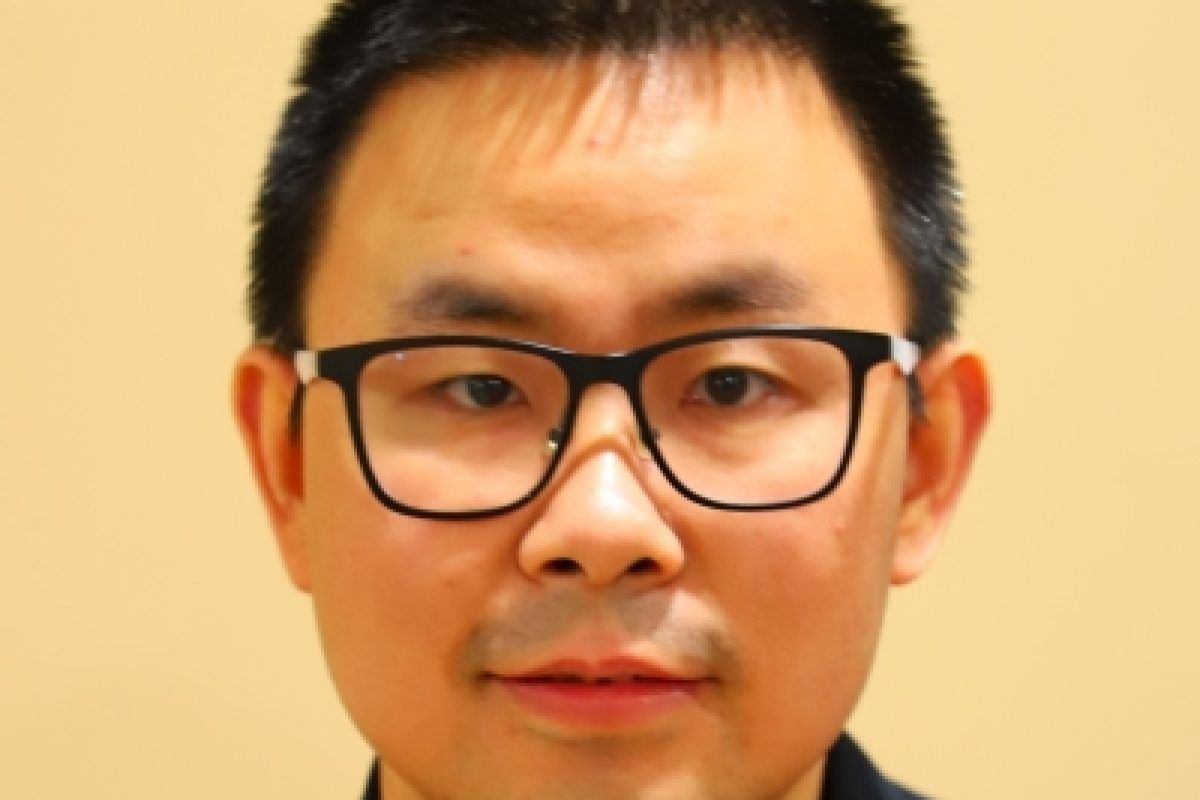
Chao Peng, Ph.D.

Faculty Member

Assistant Professor
Department of Neurology
David Geffen School of Medicine
University of California, Los Angeles

Nicole Petersen, Ph.D.

Faculty Member

Assistant Professor in Residence
Department of Psychiatry and Biobehavioral Sciences
David Geffen School of Medicine
University of California, Los Angeles