Posts classified under: Neurology

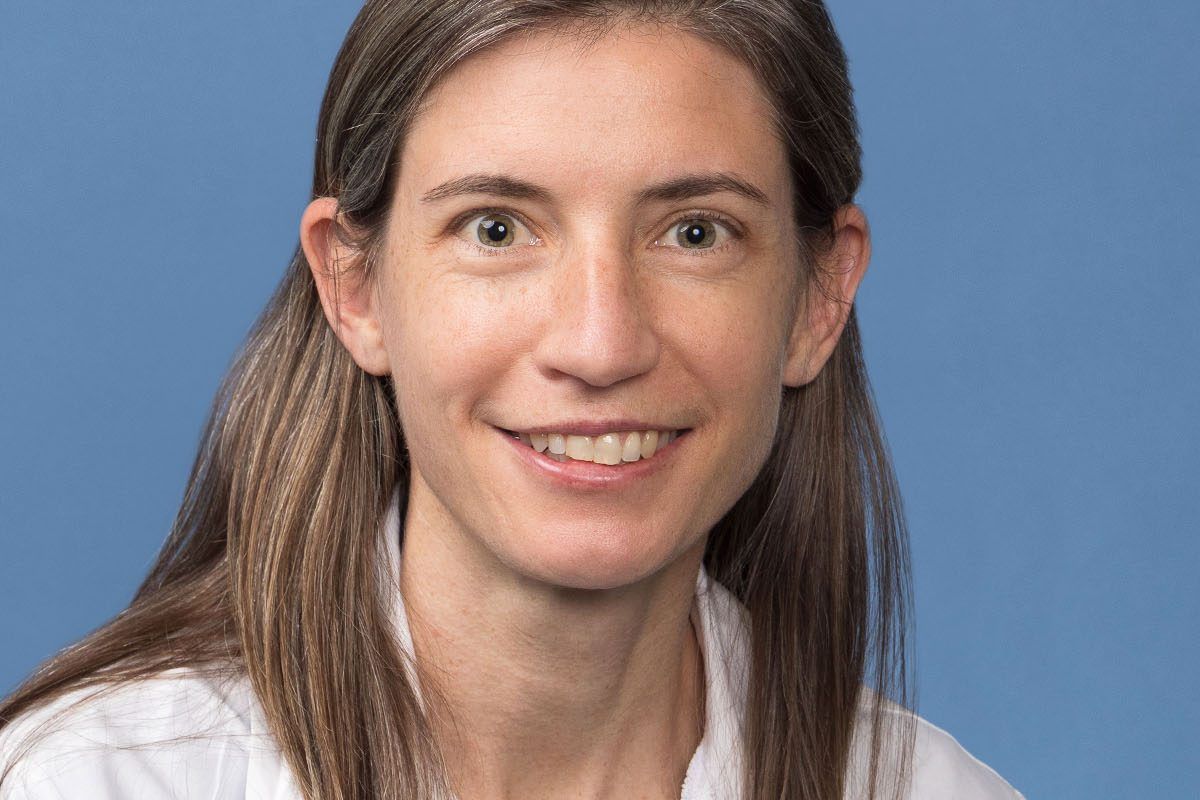
Keith Vossel, M.D., M.Sc.

Faculty Member

Professor
Department of Neurology
David Geffen School of Medicine 

University of California, Los Angeles

Personal Statement

Dr. Keith Vossel is the Michael M. Minchin, Jr., President, J.D. French Alzheimer’s Foundation Endowed Chair and Professor of Neurology in the David Geffen School of Medicine at UCLA. He received a master’s degree in biomedical engineering and medical degree with highest honors from the University of Tennessee. He completed neurology residency at Harvard Medical School/Massachusetts General Hospital and Brigham and Women’s Hospital, where he served as a chief resident. Dr. Vossel completed fellowship training in behavioral neurology and dementia research at the University of California, San Francisco and Gladstone Institutes.

Dr. Vossel investigates Alzheimer’s disease and related dementias with a focus on brain rhythm abnormalities and translational therapies. Key discoveries include the presence of silent epileptic activity, occurring during sleep and accelerating cognitive decline in Alzheimer’s disease, effects of amyloid-β and tau deposition on brain rhythms and related cognitive impairments in Alzheimer’s disease, and novel pathological functions of tau in Alzheimer’s disease and dementia with Lewy bodies. Dr. Vossel led a phase 2a clinical trial showing that low doses of an antiseizure drug can improve memory and problem solving in patients with Alzheimer’s disease and detectable epileptic activity. Dr. Vossel is broadening these studies in Greater Los Angeles and incorporating them into the expanded activities of Alzheimer’s disease research.

Dr. Vossel has written Op-Eds for the Los Angeles Times and has been featured in numerous national and international media outlets including CNN, NPR, The Washington Post, Financial Times, USA Today, STAT, Boston Globe, Daily Mail, Canadian Broadcasting Corporation, FOX 11 LA, CBS 2 and KCAL News, KNBC-LA and NBC Channel 4 News, KNX News Radio in LA, Doctor Radio on Sirius XM Radio, and Spectrum News 1 SoCal. Dr. Vossel has received the John Douglas French Alzheimer’s Distinguished Research Scholar Award, a Part the Cloud Translational Research Award from the Alzheimer’s Association, the Bernese Epilepsy Award from the University of Bern, Switzerland, and the Outstanding Health Care Innovator Award from the Los Angeles Business Journal.

Varghese John, Ph.D.

Faculty Member

Professor
Department of Neurology
David Geffen School of Medicine 

University of California, Los Angeles

Personal Statement

I have the expertise, leadership skills, intellectual focus and motivation necessary to successfully carry out the role of contact PI on the proposal entitled “Development and testing of brain permeable MARK4-PROTAC in VCID and AD models”. I am a medicinal chemist with over 20 years of experience leading small-molecule drug discovery projects in the pharmaceutical industry in CNS related disorder with focus on Alzheimer’s disease. My research has resulted in several key publications in Alzheimer’s disease (AD) and I am a co- inventor in over 100 issued and pending patents. During my tenure in industry, I was part of the original Athena/Elan AD team for 18 years. In this period I was the lead chemist of a team that made several important discoveries in AD, including identification and development of early inhibitors for the g-secretase enzyme that led to a more selective (lacking Notch activity) clinical candidate Semagecestat that proceeded into Phase 3 clinical trials sponsored by our collaborator Eli Lilly, and the purification of the beta-amyloid cleavage enzyme (BACE) from AD brain tissue using an affinity purification approach and the first-in-class potent BACE peptide inhibitor (Sinha S. et. al., Nature 1999). Using drug design and structure-based approaches, my group at Elan converted the statine-based peptidic inhibitor of BACE into small molecule (MW ~ 400Da) brain-permeable peptidomimetic inhibitors. This work was done as part of a corporate collaboration with Pharmacia/Pfizer. After leaving the pharma industry I moved to the Buck Institute in the bay area where I established the Alzheimer’s Drug Development Network (ADDN) to discover novel targets for new therapeutic development in AD. In mid-2014 I joined the UCLA Department of Neurology and my lab in Reed became fully operational in Jan of 2015. Currently, I am Professor and PI of the Drug Discovery Lab (DDL) in the UCLA Department of Neurology and a member of the Mary S Easton Center for Alzheimer’s disease research at UCLA. The lab is focused on new therapeutic approaches in AD, PD and other CNS disorders using a pharma model for drug discovery in an academic setting. UCLA is a highly collaborative academic institution and is a great place to conduct new drug discovery research on complex diseases such as AD. Our discovery efforts have led to a candidate drug , DDL110, moving through IND enabling studies and for clinical testing in AD patients. The research activities in the DDL can be characterized by an impact pyramid – one aspect focusing on high throughput screening (HTS) and analog synthesis, the second aspect focusing on CNS drug delivery of CRISPR and macromolecules including proteins and nucleotides using Synthetic Exosomes (SE) made of deformable nanoscale-vehicles, a third aspect focusing on preclinical testing for identification of candidate drugs, and a fourth aspect focusing on detection and isolation of brain derived exosomes in body fluids like blood to monitor drug efficacy and identify new targets for CNS disorders and obtain a “window into the brain”. Working with the PI Dr. Jason Hinman and the Hinman lab and DDL team on the proposal, I will apply my previous drug discovery experience which includes coordinating project research activities, providing scientific direction, facilitating communication to to achieve the proposal goals. This proposal follows logically with my training and expertise in Alzheimer’s Disease research in my Drug Discovery lab.

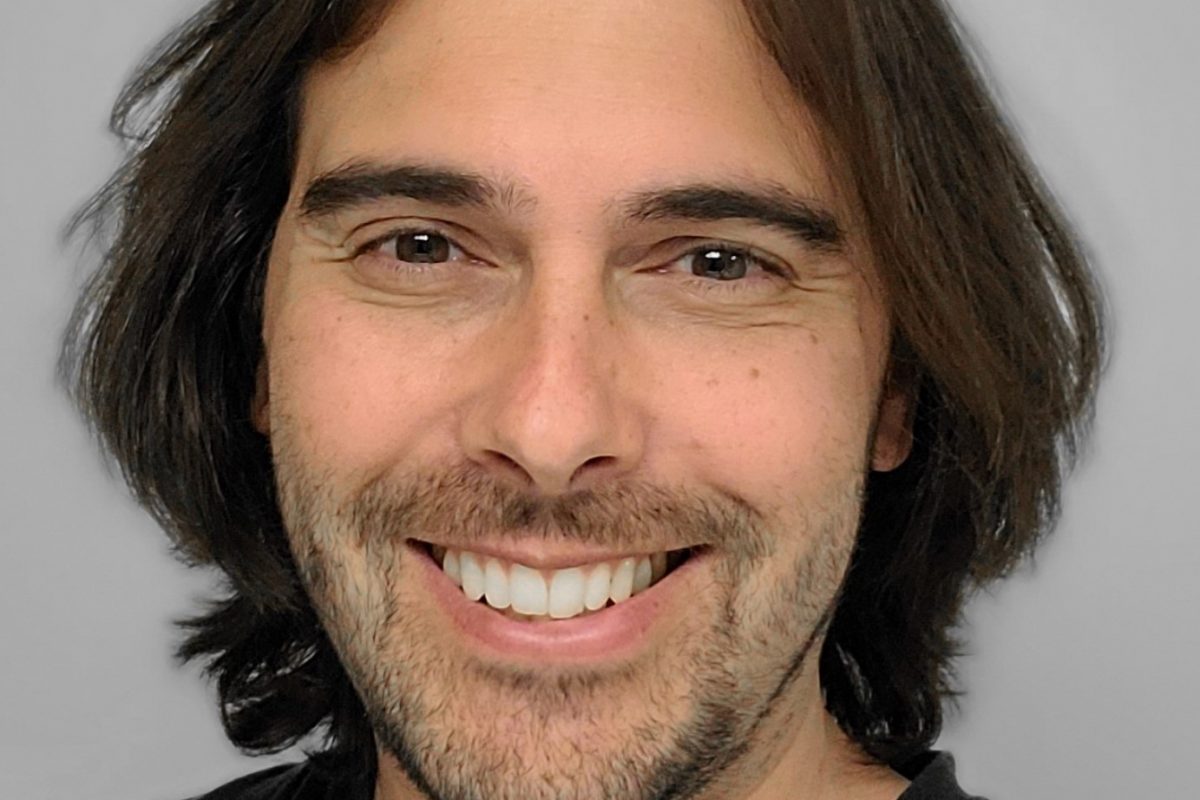
William Flavin, M.D., Ph.D.

Associate Member

Health Sciences Clinical Assistant Professor
Department of Neurology
David Geffen School of Medicine
University of California, Los Angeles


Personal Statement
I am a physician-scientist with the longstanding goal of understanding cellular and molecular mechanisms of neurodegeneration, especially in Alzheimer’s disease and related dementias (ADRD) and Parkinson’s disease (PD), where these discoveries will lead to innovative diagnostics and therapeutics. As a former Division I collegiate football student athlete, I am particularly interested in advancing a mechanistic understanding of traumatic brain injury (TBI)-related neurodegeneration such as in chronic traumatic encephalopathy (CTE). During my PhD training with Dr. Edward Campbell, I explored the mechanisms mediating prion-like transcellular propagation of protein aggregates. By applying methods used to model host-pathogen interactions, my work illuminated a novel mechanism of cellular invasion, through endocytic vesicle rupture, by which aggregates of alpha-synuclein, tau, and polyglutamine-expanded huntingtin gain access to the cytosol following uptake into a recipient cell. In parallel, I discovered that disease-causing mutations, post-translational modifications, and aggregate conformational structure modulate this uptake mechanism. This work motivated my fascination with the interactions between diverse protein aggregates and the dynamic cellular environment, and how this interaction dictates cell fate, either resilience and survival or vulnerability and disease progression. My professional goal is to become a clinical and research leader in the fields of TBI and neurodegeneration, working as an academic neurologist leading an NIH-funded research laboratory focused on elucidating the cellular machinery governing neurodegenerative disease progression and discovering new mechanisms to enhance treatment strategies.

In pursuit of this vision, I completed my residency in neurology at UCLA and am currently engaged in a clinical instructorship in sports neurology and traumatic brain injury. Supported by the NINDS-funded R25/UE5 program, I am now completing my post-doctoral research training with Dr. Chao Peng at UCLA who has pioneered methods to study the conformational diversity and cellular transmission of pathological proteins derived from post-mortem human brain. Bringing my interest in mechanisms of aggregate uptake through the endolysosomal system to the expertise of the lab in modeling cell environmental influences on disease progression, I characterized the influence of aging-related genetic changes on the cytosolic growth of tau aggregates. Furthermore, I engineered a novel inducible cell biosensor system for studying human AD brainderived tau aggregate amplification and degradation, enabling high-throughput analysis of chemical or genetic modifiers of aggregation dynamics. This project constitutes the first step toward a broader goal which is characterizing disease-specific interactions between diverse protein aggregates and the cellular environment to identify mechanisms of resilience to degeneration. In the current K08 proposal, I will investigate the functional differences between structurally distinct tau aggregates isolated from AD and CTE post-mortem brain, focusing on aggregation dynamics, uptake into the cytoplasm, and cell-to-cell transmission. I will extend and validate these findings by investigating cellular mechanisms of resilience to pathology, both in the end lysosomal damage response as well as in changes associated with aging. This work will deliver a method for studying the aggregation dynamics of CTE tau where no such models currently exist, and will allow mechanistic insight into ADRD disease progression.

Avi Samelson, Ph.D.

Faculty Member

Assistant Professor
Department of Neurology
David Geffen School of Medicine
University of California, Los Angeles


Personal Statement

Accurate protein folding is essential for cellular function. Protein misfolding and aggregation is implicated in widespread diseases. My lab applies biophysical, biochemical, and systems genetics techniques to characterize how cells control protein aggregation and find novel targets for protein aggregation diseases.

As a graduate student in Susan Marqusee’s Lab at UC Berkeley, I created new technologies to probe the fundamental biophysical properties of proteins in physiological contexts. Current quantitative descriptions of protein behavior are derived from experiments in the test tube that do not recapitulate fundamental aspects of cell biology, such as protein translation. I created new technologies to probe how translation alters the biophysical properties of the emerging nascent chain. I discovered that translation changes the folding stability (∆Gfolding) and kinetics of the nascent chain (Samelson et al. PNAS 2016, Jensen, Samelson et al. JBC 2020), and that translation can fundamentally alter a protein’s folding pathway to avoid aggregation (Samelson et al. Science Advances 2018). These works highlight the importance of taking the cellular environment into account when studying protein folding and aggregation.

As a postdoc in Martin Kampmann’s Lab at UCSF, I extended this paradigm to protein aggregation in disease. I took an unbiased approach to finding cellular factors that control protein aggregation in human neurons. Aggregation of the protein tau is hallmark of many neurodegenerative diseases, including Alzheimer’s disease. Tau aggregates in disease-specific aggregate structures and patterns of spread in the brain. This strongly suggests that disease-causing perturbations to the cellular environment also exert conformational control that results in disease-specific tau aggregate structures. I established a CRISPR-based screening platform in iPSCderived neurons to systematically identify genetic modifiers of tau aggregation. I discovered a new tau E3 ubiquitin ligase, CRL5SOCS4 , and discovered how oxidative stress causes accumulation of a tau cleavage fragment that alters tau aggregation in vitro. My work highlights the power of using disease-relevant cell types as discovery tools to reveal disease mechanisms.

My independent research focuses on characterizing the conformational states a protein populates en route to its final aggregate state, a protein’s aggregation trajectory, and how cell types vulnerable to aggregation control that trajectory. My goal is to identify novel mechanisms that are therapeutic targets for neurodegeneration.