Posts classified under: Members

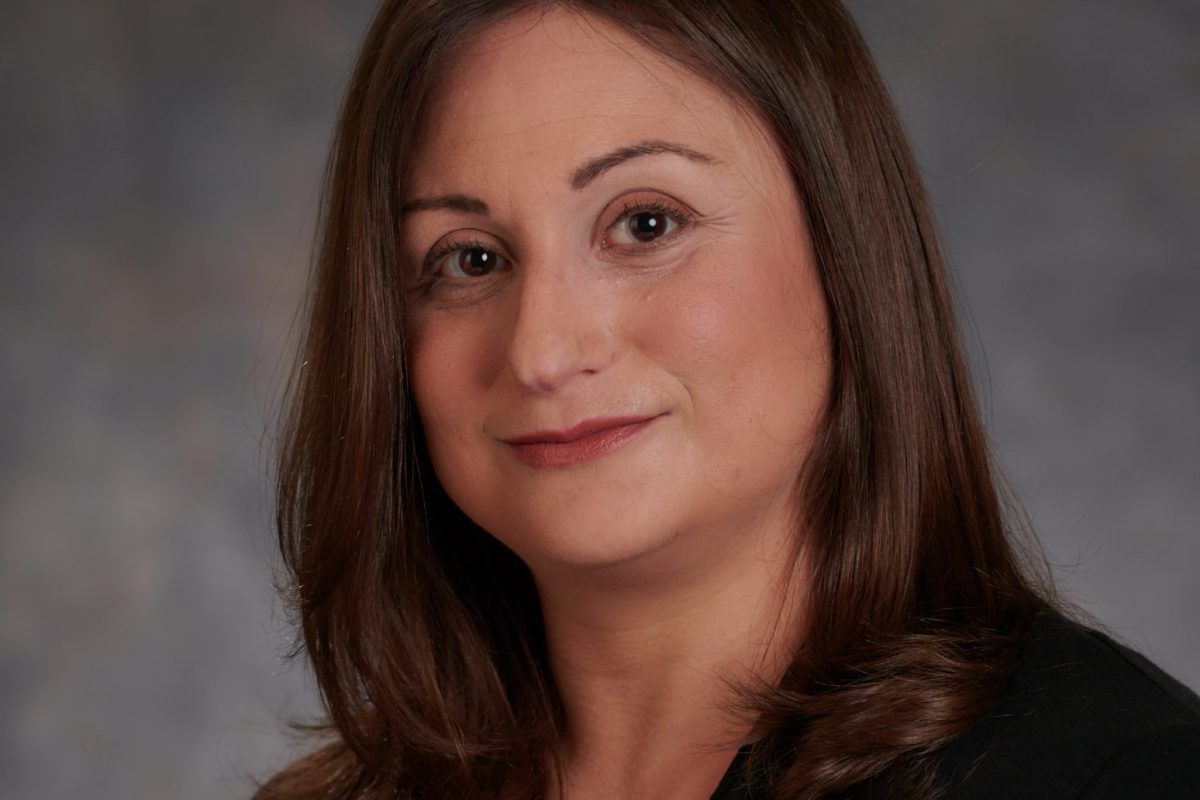
Eraka Bath, MD

Faculty Member

Professor
Department of Psychiatry & Biobehavioral Sciences
David Geffen School of Medicine
University of California, Los Angeles


Personal Statement

I am a Professor in Psychiatry with three board certifications; General Psychiatry, Child and Adolescent Psychiatry, and Forensic Psychiatry. Since joining the UCLA faculty in November 2007, I have served as the Director of Child Forensic Services and the psychiatrist appointed to the LAC Juvenile Mental Health Court. Since 2011, I have assisted the LAC Juvenile Court system in developing a more evidenced based protocol for the determination of juvenile adjudicative competency and have been consulting on a range of issues related to programs concerning juvenile legal system-involved youth. In 2012, I was awarded NIH funding with my mentor (PI, Milburn) to adapt STRIVE, a family-based intervention, and examine its efficacy in an RCT in reducing substance use, HIV risk-taking behaviors and delinquency in youth probationers as they transition from incarceration back to the community.

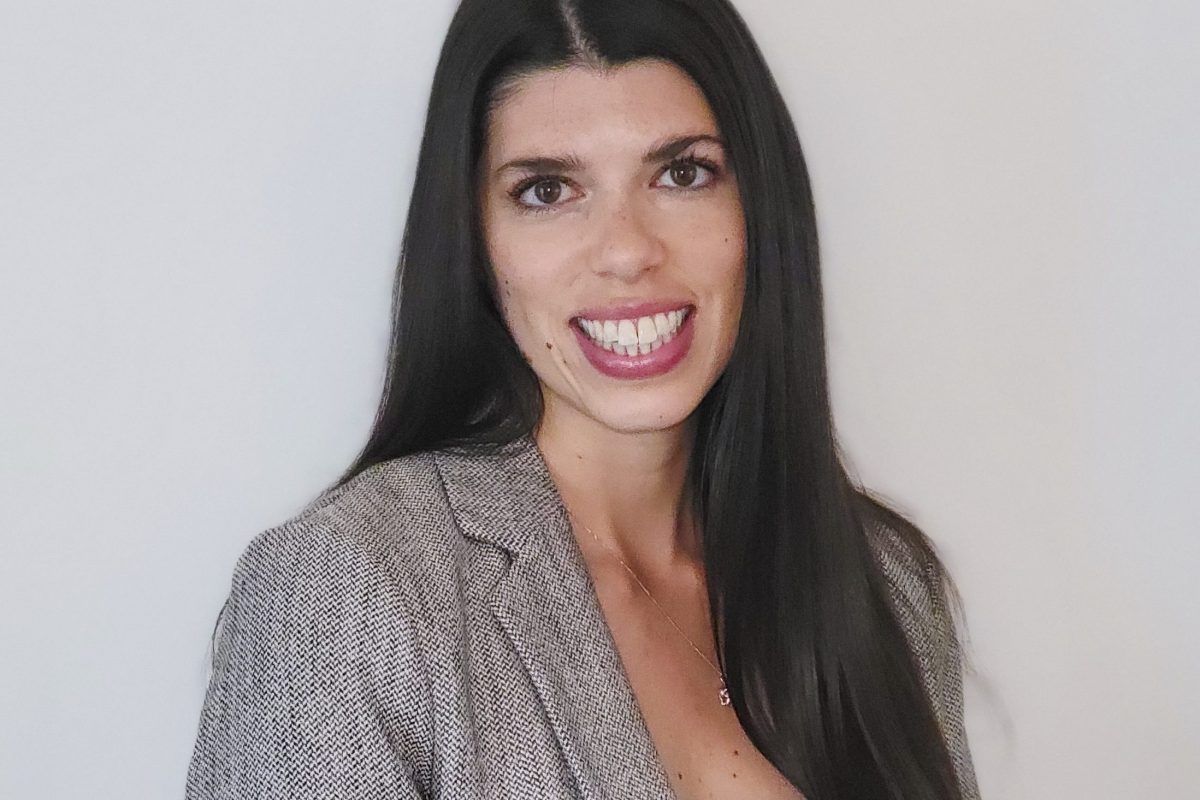
Xinshu (Grace) Xiao, Ph.D.

Faculty Member

Professor
Department of Integrative Biology and Physiology
College of Letters and Sciences
University of California, Los Angeles


Personal Statement

My laboratory investigates RNA-based gene regulation in neurodevelopmental and neurodegenerative disorders, as well as cancer. We employ an integrated approach that combines molecular and cellular biology with high-throughput genomics and computational analysis. Our work focuses on RNA editing, double-stranded RNA biology, alternative splicing, and mRNA stability, using both experimental (wet-lab) and computational (dry-lab) strategies. We generate and analyze large-scale RNA-seq, CLIP-seq, and other omics datasets, and use human stem cells and iPSC-derived models to study post-transcriptional regulation in physiologically relevant systems. To support these efforts, we have developed computational tools for identifying RNA editing sites, predicting functional genetic variants, and analyzing CLIP-seq data, among others, enabling the interpretation of both public and in-house datasets. We also perform in-depth molecular studies to follow up on genomic and computational discoveries, aiming to elucidate the mechanisms of post-transcriptional regulation in both disease and normal physiology.

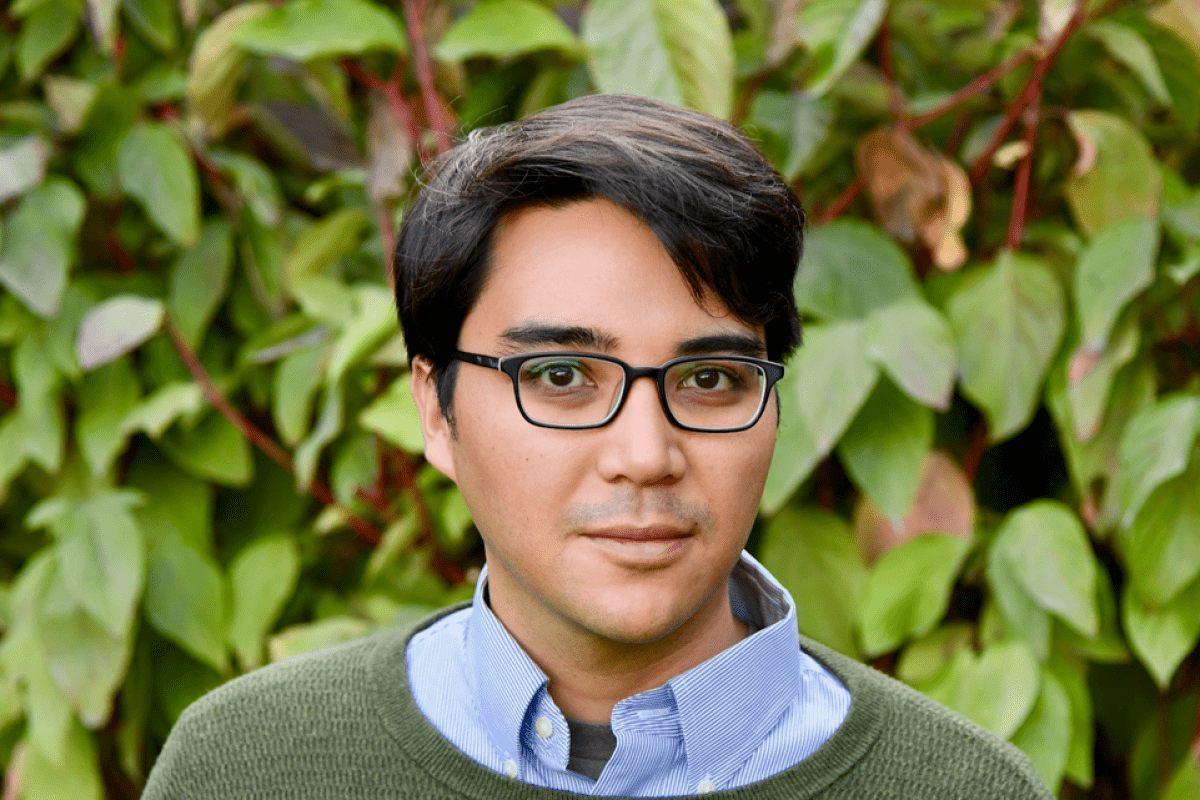
Julian A. Martinez, M.D., Ph.D., FACMG

Faculty Member

Associate Professor
Department of Human Genetics
David Geffen School of Medicine
University of California, Los Angeles


Personal Statement

Julian A. Martinez is a medical geneticist and developmental biologist who has served at the UCLA School of Medicine since he joined the Department of Human Genetics in 2007. Dr. Martinez earned his B.S. in Biology and Spanish Literature at Yale University and pursued his medical training at Yale School of Medicine. He went on to train as a Pediatrician at Mattel Children’s Hospital UCLA. Dr. Martinez was Chief Resident of the UCLA Intercampus Medical Genetics Program, where he trained as and currently serves as a board-certified Medical Geneticist. He was a postdoctoral fellow in the laboratory of Utpal Banerjee at UCLA, where he worked on genetic approaches to stem progenitor function in Drosophila. Dr. Martinez is a recipient of the Pediatrics Department Outstanding Research Award, as well as the David W. Smith Pediatric Trainee Research Award of the Western Society for Pediatric Research, among other honors. Dr. Martinez is a member of the Division of Medical Genetics, where he has maintained a clinical interest in genetic syndromes that lead to overgrowth, vascular malformations, and cancer predisposition. As an Associate Professor with tenure at the University of California Los Angeles, his laboratory research focuses on novel growth regulatory pathways in progenitor and stem cell maintenance and the study of human growth disorders with cancer predisposition. His approach utilizes model organisms and rare human genetic disorders to identify new genes and characterize signaling pathways regulating tissue growth, with a translational focus on identifying the genetic basis of rare genetic syndromes that predispose to cancer and neurodevelopmental phenotypes. His laboratory has described novel syndromes, extended the phenotypic findings for established ones, and identified their genetic basis. Using next generation sequencing technologies and modeling of human disease-associated genetic variants in Drosophila, cancer cell lines and human neural stem cells, he dissects the mechanistic basis for these genetic disorders. Dr Martinez is one of the Principal Investigators of the Undiagnosed Diseases Network site at UCLA, Co-Director of the California Center for Rare Diseases, Director of the T32 Medical Genetics Training Program, and Co-Director of the Pediatric Cancer Predisposition Program.

Ye Emily Wu, Ph.D.

Faculty Member

Assistant Professor
Department of Neurobiology
Department of Biological Chemistry
David Geffen School of Medicine
University of California, Los Angeles


Personal Statement

My long-term research interest is to take an integrated multidisciplinary approach to elucidate the molecular, circuit, and computational mechanisms underlying affiliative social behavior and how their disruptions contribute to social deficits in neurodevelopmental and neuropsychiatric disorders. My academic training has provided me with extensive research experience in genetics, bioinformatics, and molecular, cellular, behavioral, and computational neuroscience. During my Ph.D. research at Stanford University, I uncovered novel molecular and cellular mechanisms regulating axonal transport and synapse formation in neurons (Wu et al., Neuron 2013; Klassen*, Wu* et al., Neuron 2010. *Equal contributions). As a postdoctoral fellow at the University of California, Los Angeles, I investigated the neural mechanisms underlying autism using integrative genomic methods as well as in vitro and in vivo model systems. My work provided important insights into the role of microRNA dysregulation in autism (Wu et al., Nature Neuroscience 2016). I also applied single-cell RNA sequencing to characterize cell type diversity in a key social brain area, the amygdala, and developed methods to systematically map brain activity onto molecularly defined cell populations (Wu*, Pan* et al., Neuron. 2017). I further investigated the neural mechanisms underlying sex differences in parenting behavior across molecular, cellular, and neural circuit levels (Chen*, Hu*, Wu* et al., Cell 2019). More recently, by combining novel behavioral paradigms, functional manipulation, in vivo calcium imaging, and computational approaches, I have made important discoveries on the neural circuit mechanisms underlying affiliative, prosocial behavior (Wu*, Dang* et al., Nature 2021; Zhang*, Wu* et al., Nature 2024, Sun et al., Science 2025).