


Biography
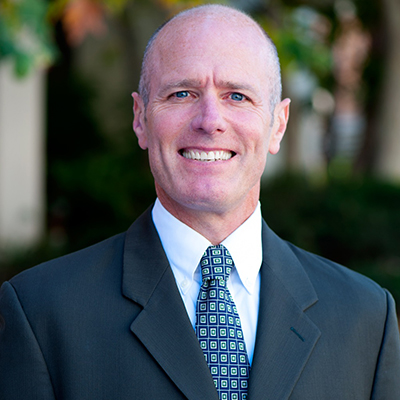
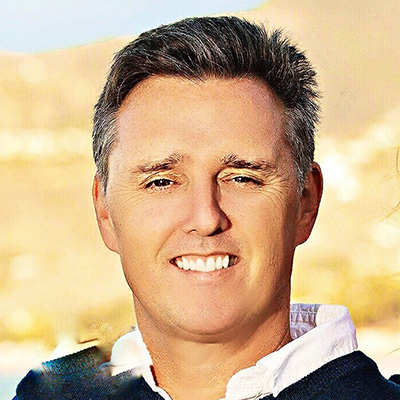
Professor Harris directs NEIL lab with over 25 years of experience with rodent CNS injury models and in particular using MRI and PET to assess structure and function. He received his B.Sc. in Biology/Neuroscience from University of Portsmouth in 1988, and his Ph.D. in Physiology from King’s College London in 1991. Dr. Harris’s early focus of research addressed the question of optimal timing for intervention after the diagnosis of infantile hydrocephalus. Prior to joining University of California Los Angeles (UCLA), Dr. Harris received training in multimodality imaging techniques, including PET, structural MRI, fMRI, DTI, and Glucose/blood-flow autoradiography at Kings college University of London, University of Florida McKnight Brain Institute, the Royal College of Surgeons unit of Biophysics in the Institute of Child Health, and University of Cambridge Department of Neurosurgery. Subsequently, Dr. Harris conducted studies to address forebrain ischemic stroke looking at the potential use of non-invasive biomarkers to determine salvageable areas of brain. The studies were cited amongst primary reported findings on biophysical mechanism of the change in water diffusion after stroke. Dr. Harris currently resides as Professor in Residence of UCLA Department of Neurosurgery where he primarily conducts investigations on Traumatic Brain Injury and is the scientific director of UCLA 7T animal imaging core.
Biography
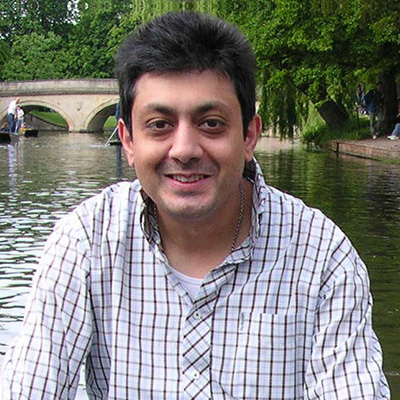
Baljit S. Khakh received a Ph.D. degree from the University of Cambridge in 1995. During his graduate studies, he also spent some time at the Geneva Biomedical Research Institute. Dr. Khakh completed a postdoctoral fellowship in the laboratory of Dr. Graeme Henderson at the University of Bristol, followed by a fellowship at the California Institute of Technology, working in the laboratories of Drs. Henry A. Lester and Norman Davidson as a Wellcome Trust International Prize Traveling Research Fellow, and Senior Research Fellow in the Division of Biology. In 2001, Dr. Khakh returned to Cambridge in the Division of Neurobiology at the MRC Laboratory of Molecular Biology. Dr. Khakh joined UCLA in April 2006.