Student Resources
|
Faculty, Postdoc, & Staff Resources
Search for:
Login
Toggle menu
Home
About
Who We Are
History
The BRI Story
Founder
Past Directors
Members
Diversity & Inclusion
In The News
Leadership & Staff Directory
Endowed Term Chairs and Scholarships
Open Neuro Faculty Positions
Statement on Ukraine
Research
Members
Members by Research Area
Members by Affinity Groups
Members List
Members Publications
Resources
Shared Equipment Library
Grants and Fellowships
Core Facilities
Links and Resources
Job Board
Integrative Centers
Affinity Groups
Education
Education Overview
Undergraduate Programs
Graduate Programs
Postdoctoral Programs
Training Grants
Outreach
Outreach Overview
K-12 Education and Outreach Programs
Brain Awareness Week (Grades: K-12)
InterAxon (Grades: K-12)
Project Brainstorm (Grades: K-12)
Drug Abuse and Society (Grades: 9-12)
Neurocamp (Grades: 9-12)
Los Angeles Brain Bee (Grades: 9-12)
CELL Scholars (Grades: 11-12)
Undergraduate Summer Research Programs
BRI-SURE
UC-HBCU Pathways
UC-HSI SOMA
Other Education and Outreach Programs
State and County Science Fairs
Project Synapse
Knowing Neurons
How to get involved?
News and Events
Seminars & Events
Events Overview
Calendar
Joint Seminars In Neuroscience
Special Lectures
H.W. Magoun Distinguished Lectureship
Samuel Eiduson Student Lectureship
Arnold Scheibel Distinguished Fellow in Neuroscience Lecture
Seminar for Young Neuroscientist Community Scholars
Awards
Eva Kavan Prize
Student Travel Award for the Annual Society for Neuroscience Meeting
Postdoctoral Scholar Awards
Giving
Posts classified under:
D
Home
UCLA Brain Research Institute (BRI)
>
People
>
Alphabetical
>
D
1
Jun
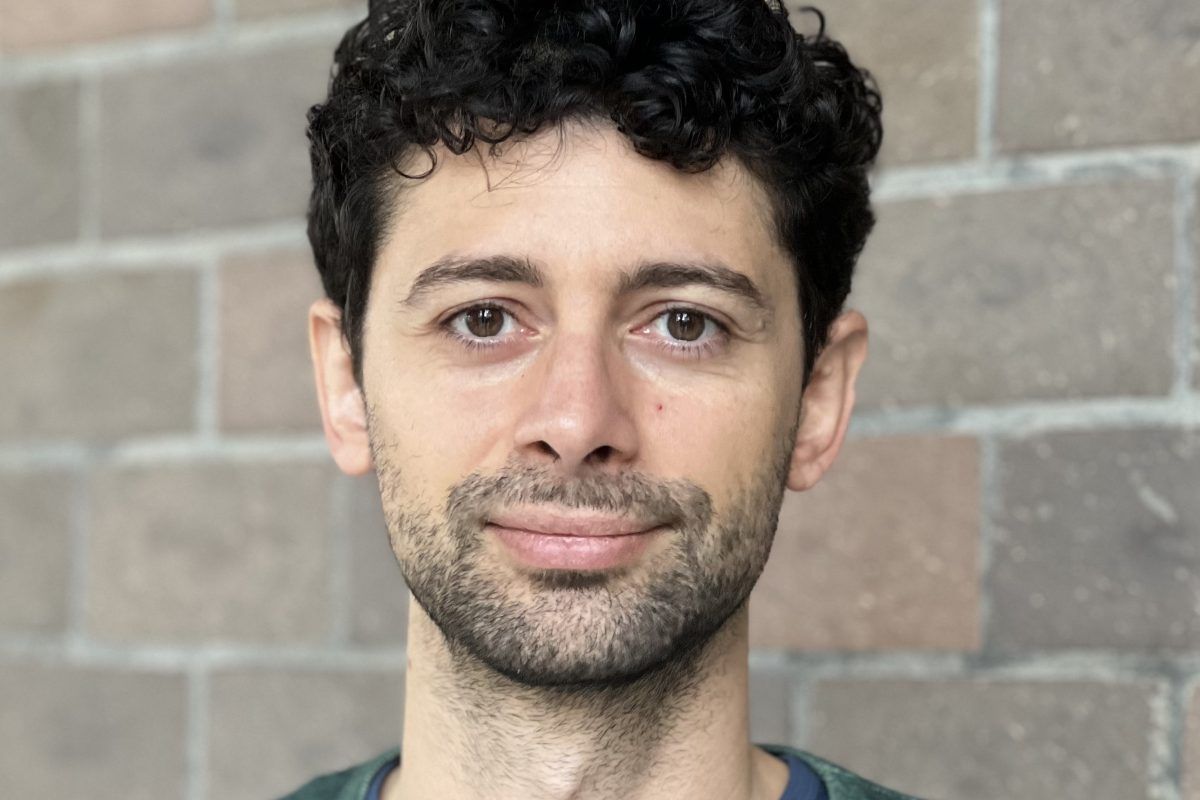
Mario Dipoppa, Ph.D.
21
Feb
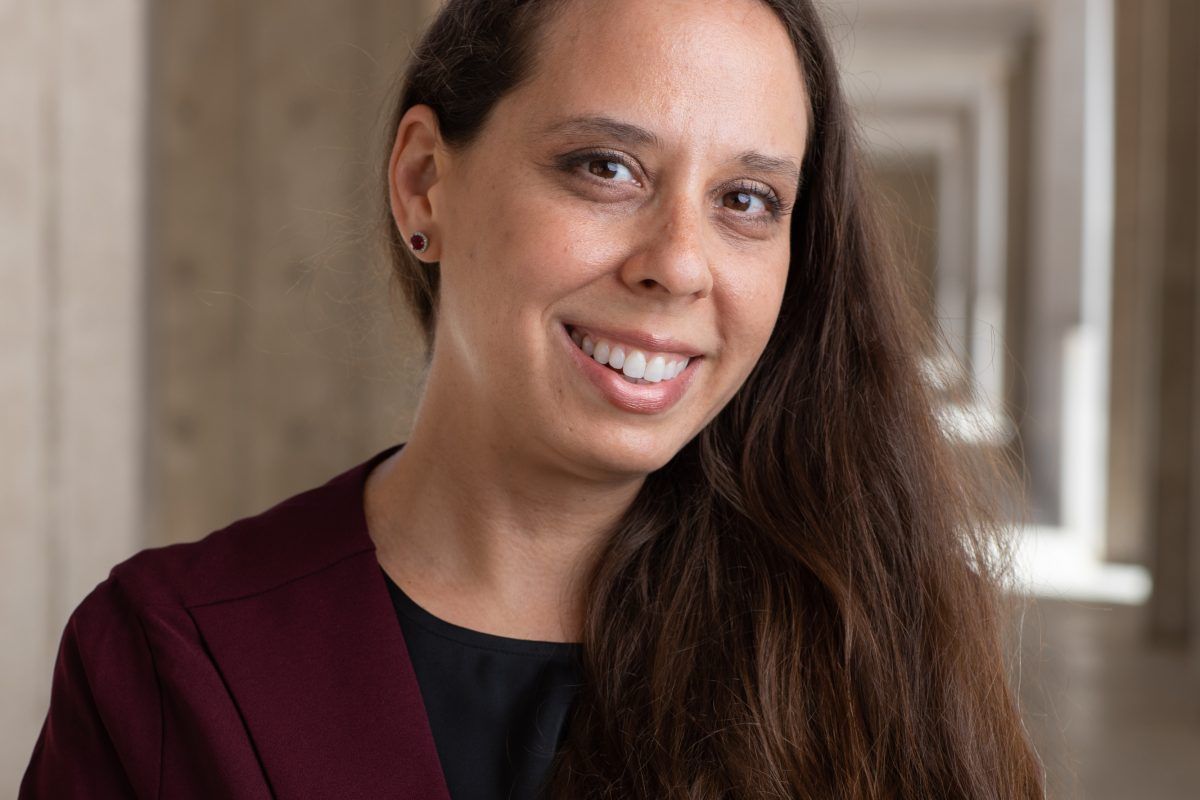
Lydia Daboussi, Ph.D.
23
Aug
Kacie Deters, Ph.D.
4
Mar
Hong Wei Dong, M.D., Ph.D.
1
2
3
…
5
Next page