Posts classified under: Neurobiology

Genevieve Konopka, Ph.D.

Faculty Member

Professor & Chair
Department of Neurobiology
David Geffen School of Medicine
University of California, Los Angeles

Personal Statement

The research in the Konopka lab focuses on understanding the molecular pathways important for human brain evolution that are at risk in cognitive disorders such as autism, schizophrenia, and Alzheimer’s disease.

Ye Emily Wu, Ph.D.

Faculty Member

Assistant Professor
Department of Neurobiology
Department of Biological Chemistry
David Geffen School of Medicine
University of California, Los Angeles


Personal Statement

My long-term research interest is to take an integrated multidisciplinary approach to elucidate the molecular, circuit, and computational mechanisms underlying affiliative social behavior and how their disruptions contribute to social deficits in neurodevelopmental and neuropsychiatric disorders. My academic training has provided me with extensive research experience in genetics, bioinformatics, and molecular, cellular, behavioral, and computational neuroscience. During my Ph.D. research at Stanford University, I uncovered novel molecular and cellular mechanisms regulating axonal transport and synapse formation in neurons (Wu et al., Neuron 2013; Klassen*, Wu* et al., Neuron 2010. *Equal contributions). As a postdoctoral fellow at the University of California, Los Angeles, I investigated the neural mechanisms underlying autism using integrative genomic methods as well as in vitro and in vivo model systems. My work provided important insights into the role of microRNA dysregulation in autism (Wu et al., Nature Neuroscience 2016). I also applied single-cell RNA sequencing to characterize cell type diversity in a key social brain area, the amygdala, and developed methods to systematically map brain activity onto molecularly defined cell populations (Wu*, Pan* et al., Neuron. 2017). I further investigated the neural mechanisms underlying sex differences in parenting behavior across molecular, cellular, and neural circuit levels (Chen*, Hu*, Wu* et al., Cell 2019). More recently, by combining novel behavioral paradigms, functional manipulation, in vivo calcium imaging, and computational approaches, I have made important discoveries on the neural circuit mechanisms underlying affiliative, prosocial behavior (Wu*, Dang* et al., Nature 2021; Zhang*, Wu* et al., Nature 2024, Sun et al., Science 2025).

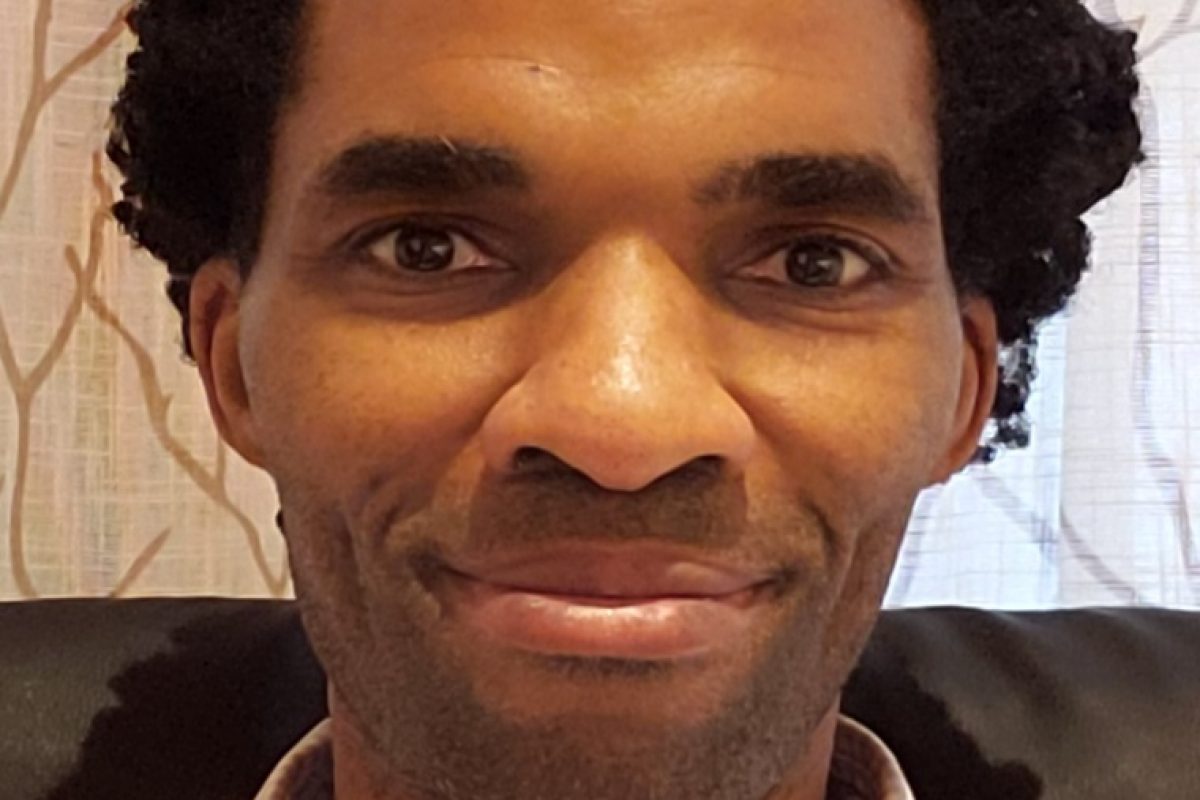
Austin Coley, Ph.D.

Faculty Member

Biography

The Coley laboratory investigates neural populations and dynamics associated with depressive-like behaviors. We apply integrative approaches such as in vivo 2-photon calcium imaging to measure neural activity and population dynamics, and ex vivo electrophysiology to record synaptic properties. We utilize optogenetics techniques to selectively activate neural circuits and assess the response within specific neurons. We also use computer-based tracking systems to monitor behavioral tasks and apply machine learning methods to uncover the relationship between neural activity and behavior. Additionally, we use computational models to further understand neuronal population function in higher-order processing regions.

Publications

Coley, A.A. +, Batra, K., Delahanty, J.M., Keyes, L.R., Pamintuan, R., Ramot, A., Hagemann, J., Lee, C.R., Liu, V., Adivikolanu, H., Cressy, J., Jia, C., Massa, F., LeDuke., D., Gabir, M., Durubeh, B., Linderhof, L., Patel, R., Wichmann, R., Li, H., Fischer, K.B., Pereira, T, Tye, K.M. (2024) BioRxiv. doi.org/10.1101/2024.12.18.629202

Li, H*, Namburi, P*, Olson, J.M.*, Borio, M, Lemieux, M.E., Beyeler, A, Calhoon, G.G., Hitora-Imamura, N, Coley, A.A., Libster, A, Bal, A, Jin, X, Wang, H, Jia, C, Choudhury, S.R., Shi, X, Felix-Ortiz, A.C., De la Fuente, V, Barth, V.P., King, H.O., Izadmehr, E.M., Revanna, J.S., Batra K., Fischer, K.B., Keyes, L.R., Padilla-Coreano, N, Siciliano, C.A., McCullough, K.M., Wichmann, R, Ressler, K.J., Fiete, I.R., Zhang, F, Li, Y, Tye, K.M (2022). Neurotensin orchestrates valence assignment in the amygdala. Nature. doi: 10.1038/s41586-022-04964-y

Coley, A.A.*, Padilla-Coreano, N*, Patel, R*, Tye, K.M (2021). Valence processing in the PFC: reconciling circuit-level and systems-level views. International Review of Neurobiology. doi.org/10.1016/bs.irn.2020.12.002

McEachern, E.P.*, Coley, A.A.*, Yang, S.S., Gao W.J. (2020). “PSD-95 alters GABAergic inhibition in the medial prefrontal cortex.” Neuropharmacology. doi.org/10.1016/j.neuropharm.2020.108277

Coley, A. A. and W.-J. Gao (2019). “PSD-95 deficiency disrupts PFC-associated function and behavior during neurodevelopment.” Scientific Reports 9(1): 9486. doi: 10.1038/s41598-019-45971-w; PMCID: PMC6602948

Hill, S.A.*, Blaeser A.*, Coley, A.A., Xie Y., Shepard K.A., Harwell C., Gao W.J., Garcia A.D.R (2019). Sonic hedgehog signaling in astrocytes mediates cell-type-specific synaptic organization. eLife 8: e45545. doi: 10.7554/eLife.45545; PMCID: PMC6629371

Coley, A. A. and W.-J. Gao (2018). “PSD-95: A synaptic protein implicated in schizophrenia or autism?” Progress in Neuro-Psychopharmacology and Biological Psychiatry 82: 187-194. doi: 10.1016/j.pnpbp.2017.11.016; PMCID: PMC5801047

Yang, S.S., Li Y.C., Coley, A.A., Chamberlain L.A., Yu P., Gao W.J. (2018). Cell-type specific development of the hyperpolarization-activated current, Ih, in prefrontal cortical neurons. Frontiers in Synaptic Neuroscience 10(7): doi:10.3389/fnsyn.2018.00007; PMCID: PMC5958189

Monaco, S.A.*, Coley, A.A.*, Gao W.J (2016). The Convergence of Glutamate and GABA Dysregulation in Schizophrenia. Schizophrenia Treatment: The New Facets. Ed. Yu-Chih Shen. Book Chapter: 1. PMCID not applicable.

Coley, A.A, Ruffin, V.A, Moss, F., Hopfer, U., Boron, W.F. (2013). Immunocytochemical identification of electroneutral Na+-coupled HCO3– transporters in freshly dissociated mouse medullary raphé neurons. Neuroscience. 246:451-67. doi: 10.1016/j.neuroscience.2013.02.064

1 2 3 9