

Faculty Member
Professor
UCLA Division Director of Child and Adolescent Psychiatry
Department of Psychiatry & Biobehavioral Sciences
David Geffen School of Medicine
University of California, Los Angeles
Faculty Member
Professor
UCLA Division Director of Child and Adolescent Psychiatry
Department of Psychiatry & Biobehavioral Sciences
David Geffen School of Medicine
University of California, Los Angeles
Associate Member
Clinical Instructor and Postdoctoral Scholar
Department of Neurology
David Geffen School of Medicine
University of California, Los Angeles
Personal Statement
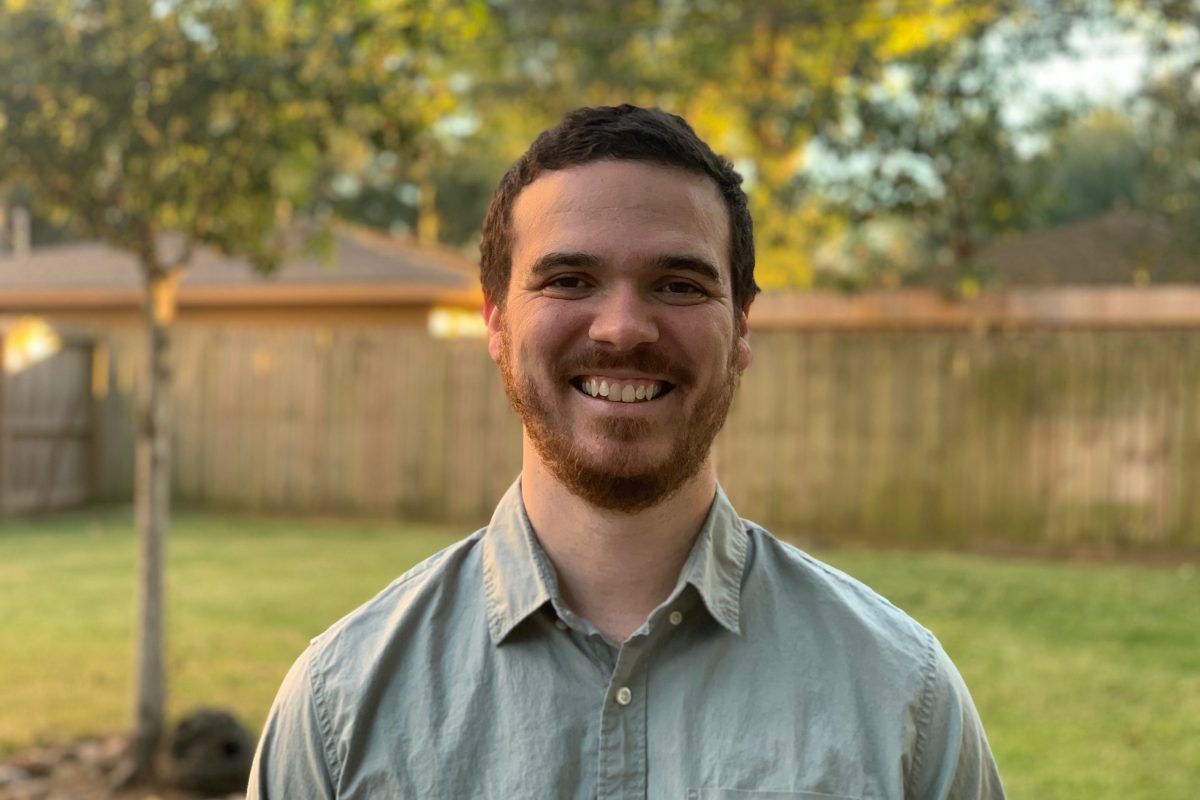
I am a physician-scientist with the longstanding goal of understanding cellular and molecular mechanisms of neurodegeneration, especially in Alzheimer’s disease and related dementias (ADRD) and Parkinson’s disease (PD), where these discoveries will lead to innovative diagnostics and therapeutics. As a former Division I collegiate football student athlete, I am particularly interested in advancing a mechanistic understanding of traumatic brain injury (TBI)-related neurodegeneration such as in chronic traumatic encephalopathy (CTE). During my PhD training with Dr. Edward Campbell, I explored the mechanisms mediating prion-like transcellular propagation of protein aggregates. By applying methods used to model host-pathogen interactions, my work illuminated a novel mechanism of cellular invasion, through endocytic vesicle rupture, by which aggregates of alpha-synuclein, tau, and polyglutamine-expanded huntingtin gain access to the cytosol following uptake into a recipient cell. In parallel, I discovered that disease-causing mutations, post-translational modifications, and aggregate conformational structure modulate this uptake mechanism. This work motivated my fascination with the interactions between diverse protein aggregates and the dynamic cellular environment, and how this interaction dictates cell fate, either resilience and survival or vulnerability and disease progression. My professional goal is to become a clinical and research leader in the fields of TBI and neurodegeneration, working as an academic neurologist leading an NIH-funded research laboratory focused on elucidating the cellular machinery governing neurodegenerative disease progression and discovering new mechanisms to enhance treatment strategies.
In pursuit of this vision, I completed my residency in neurology at UCLA and am currently engaged in a clinical instructorship in sports neurology and traumatic brain injury. Supported by the NINDS-funded R25/UE5 program, I am now completing my post-doctoral research training with Dr. Chao Peng at UCLA who has pioneered methods to study the conformational diversity and cellular transmission of pathological proteins derived from post-mortem human brain. Bringing my interest in mechanisms of aggregate uptake through the endolysosomal system to the expertise of the lab in modeling cell environmental influences on disease progression, I characterized the influence of aging-related genetic changes on the cytosolic growth of tau aggregates. Furthermore, I engineered a novel inducible cell biosensor system for studying human AD brainderived tau aggregate amplification and degradation, enabling high-throughput analysis of chemical or genetic modifiers of aggregation dynamics. This project constitutes the first step toward a broader goal which is characterizing disease-specific interactions between diverse protein aggregates and the cellular environment to identify mechanisms of resilience to degeneration. In the current K08 proposal, I will investigate the functional differences between structurally distinct tau aggregates isolated from AD and CTE post-mortem brain, focusing on aggregation dynamics, uptake into the cytoplasm, and cell-to-cell transmission. I will extend and validate these findings by investigating cellular mechanisms of resilience to pathology, both in the end lysosomal damage response as well as in changes associated with aging. This work will deliver a method for studying the aggregation dynamics of CTE tau where no such models currently exist, and will allow mechanistic insight into ADRD disease progression.
Faculty Member
Professor & Chair
Department of Neurobiology
David Geffen School of Medicine
University of California, Los Angeles
Personal Statement
The research in the Konopka lab focuses on understanding the molecular pathways important for human brain evolution that are at risk in cognitive disorders such as autism, schizophrenia, and Alzheimer’s disease.
Faculty Member
Professor
Department of Ophthalmology
David Geffen School of Medicine
University of California, Los Angeles
Personal Statement
I am a Canada Research Chair in Computational Neuroscience, and my research is focused on representations of visual information in artificial and biological neural networks, including those in the retina and visual cortex. Through this research, I have extensive experience in creating mechanistic models of retinal ganglion cell responses to visual stimulation and using information theory to understand how the responses of neurons in those models (and in my collaborators’ experiments) encode visual information. I also have substantial expertise in training artificial neural networks (ANNs) to predict the responses of neurons in visual cortex to natural image stimulation, and of training ANNs to infer a person’s sleep stage from LFP signals recorded by implanted electrodes. The proposed work will bring my areas of expertise together with those of my collaborators: my lab will develop and train ANNs to predict responses of retinal ganglion cells to naturalistic stimuli (recorded in the Field and Rieke labs). My research in this area has led to many impactful peer-reviewed publications and has been funded by multiple grants on which I am PI or co-I, including grants from: NIH; Natural Science and Engineering Research Council of Canada (NSERC); New Frontiers in Research Fund; Google; Sloan Foundation; and Canadian Institute For Advanced Research (CIFAR). In my role as PI (since 2015), I have gained substantial experience in recruiting and mentoring trainees, managing research projects, and delivering high quality results to the scientific community. In summary, I have the necessary technical background, and leadership experience, to successfully carry out the proposed work.