Posts classified under: Faculty Member

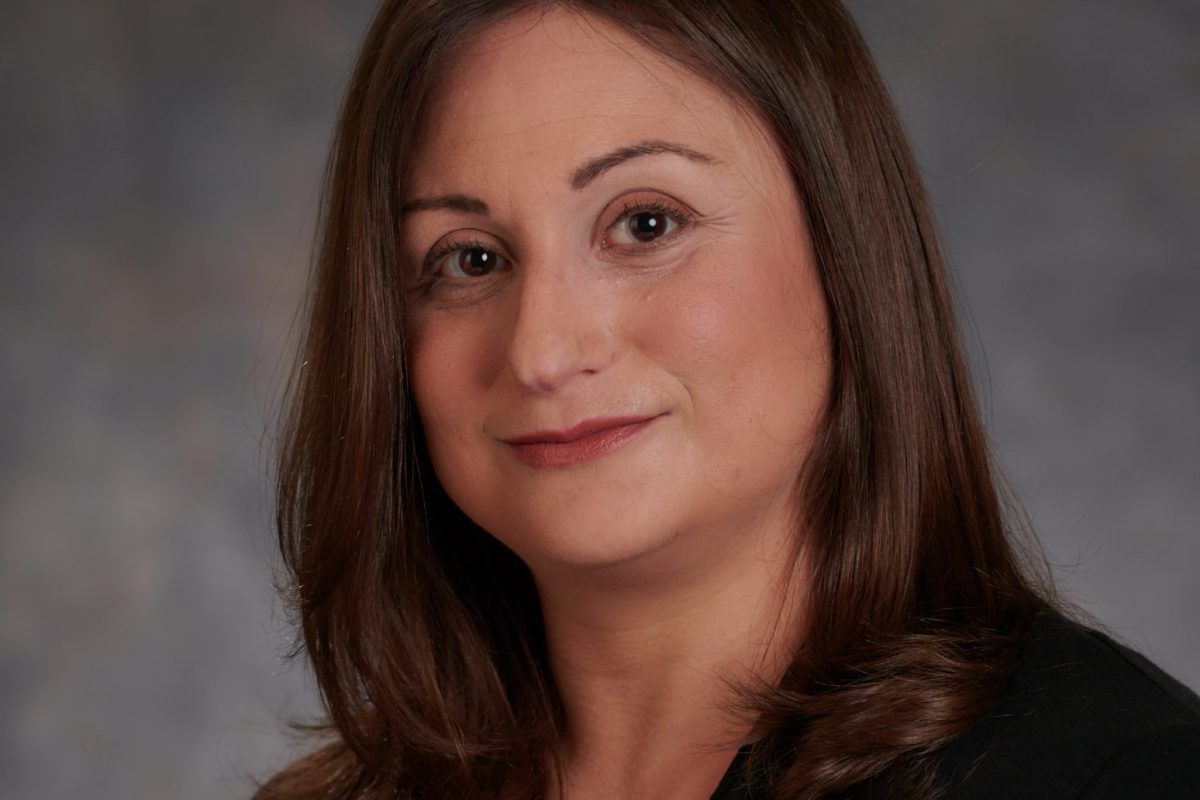
Naomi Eisenberger, Ph.D.

Faculty Member

Professor
Department of Psychology
University of California, Los Angeles

Personal Statement

I am a nationally recognized expert on the neural correlates underlying social rejection and connection as well as how these neural responses relate to both mental and physical health. I have been the PI or Co-I on many NIH-funded projects that have examined the neural underpinnings of specific social processes or the relationships between social processes and health outcomes. One line of my research has utilized neuroimaging techniques to investigate the neural correlates of social rejection and social connection. Through this line of research, I have shown that the experience of social rejection relies, in part, on physical pain-related neural regions and that the experience of social connection relies, in part, on reward-related neural regions. In another line of research, I have examined the effect of an experimental inflammatory challenge on feelings of depressed mood and social disconnection as well as the neural underpinnings of these changes. Here, we have shown that inflammation can increase feelings of social disconnection by increasing neural sensitivity to positive and negative social stimuli. More recently, I have been examining the neural correlates underlying prosocial behavior as well as the positive impact of prosocial behavior on both mental and physical health. I have also been examining how social connection and disconnection (loneliness) relate to fear learning and extinction, which have implications for mental health outcomes. In summary, I have the expertise, leadership, training, and motivation necessary to successfully carry out the proposed research project.

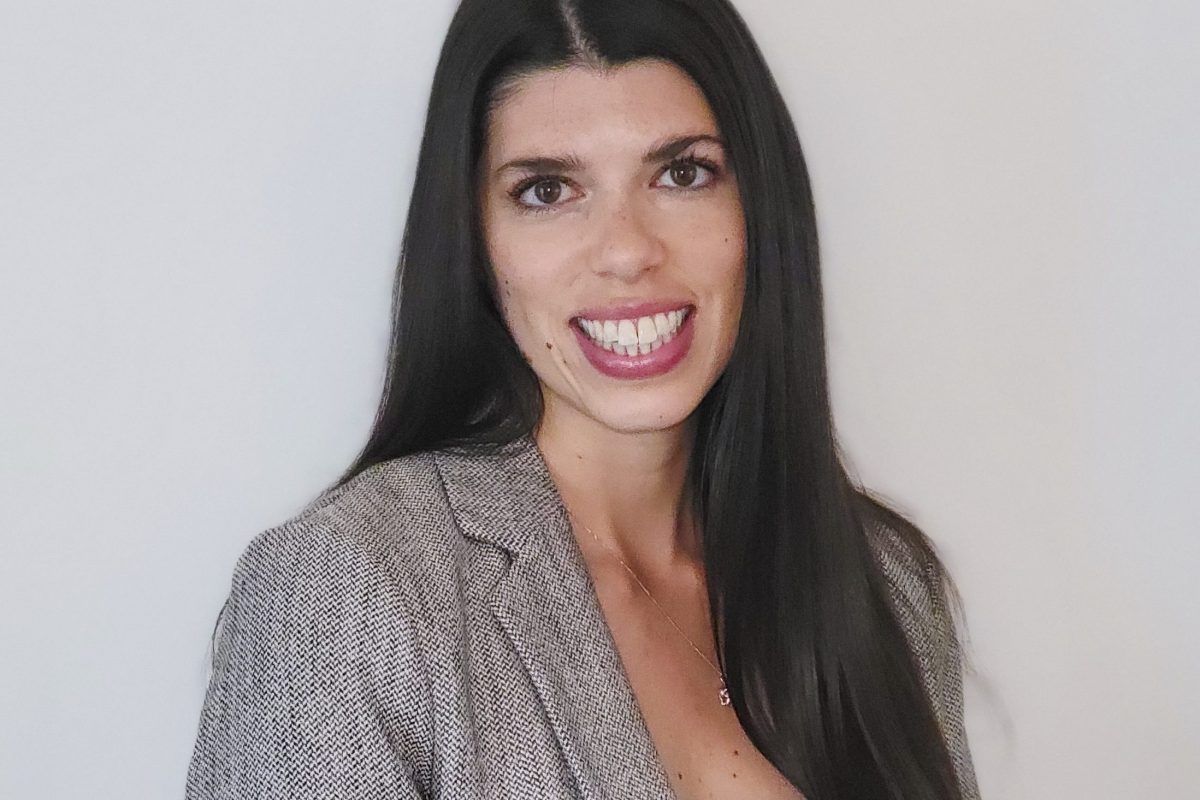
Matthew Lieberman, Ph.D.

Faculty Member

Professor
Department of Psychology
University of California, Los Angeles

Personal Statement

My research applies a social cognitive neuroscience approach to examine questions of social and self-understanding, of social pains and pleasures, the social propagation of persuasive information, and of self-control and emotion regulation.  Our work uses a variety of approaches including functional magnetic imaging (fMRI), functional near infrared spectroscopy (fNIRS) that allows for up to 6 people to be scanned simultaneously while interacting, and electrocorticography (ECoG).   This work has been funded by NIMH, NIA, NSF, DARPA, DOD, the Harry Frank Guggenheim Foundation.  Based on the fact that my lab has published a significant portion of the fMRI work done on implicit emotion regulation, I believe I am well-qualified to serve as a co-I for this proposal.

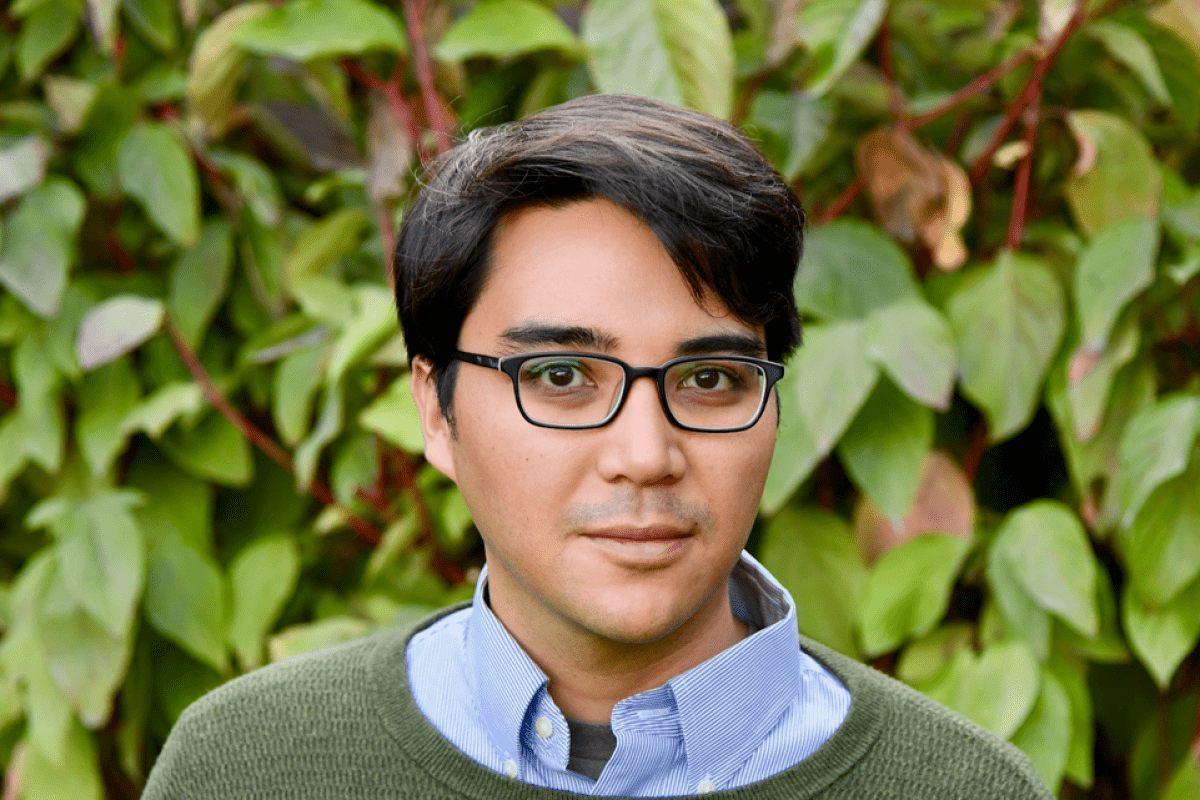
Ajay B Satpute, Ph.D.

Faculty Member

Assistant Professor
Department of Psychology
University of California, Los Angeles

Personal Statement

Ajay B. Satpute received his doctorate in psychology from UCLA and completed postdoctoral training at Columbia University. His research in social and affective neuroscience combines multimodal brain imaging (3T and 7T fMRI), psychophysiology, experimental psychology, and computational approaches including pattern analysis and deep learning, to model mind-brain-behavior relations. Before joining UCLA, he was on the faculty at Northeastern University and Pomona College. He is Editor-in-Chief of the journal Social Cognitive and Affective Neuroscience and previously served as President of the Social and Affective Neuroscience Society.

Varghese John, Ph.D.

Faculty Member

Professor
Department of Neurology
David Geffen School of Medicine 

University of California, Los Angeles

Personal Statement

I have the expertise, leadership skills, intellectual focus and motivation necessary to successfully carry out the role of contact PI on the proposal entitled “Development and testing of brain permeable MARK4-PROTAC in VCID and AD models”. I am a medicinal chemist with over 20 years of experience leading small-molecule drug discovery projects in the pharmaceutical industry in CNS related disorder with focus on Alzheimer’s disease. My research has resulted in several key publications in Alzheimer’s disease (AD) and I am a co- inventor in over 100 issued and pending patents. During my tenure in industry, I was part of the original Athena/Elan AD team for 18 years. In this period I was the lead chemist of a team that made several important discoveries in AD, including identification and development of early inhibitors for the g-secretase enzyme that led to a more selective (lacking Notch activity) clinical candidate Semagecestat that proceeded into Phase 3 clinical trials sponsored by our collaborator Eli Lilly, and the purification of the beta-amyloid cleavage enzyme (BACE) from AD brain tissue using an affinity purification approach and the first-in-class potent BACE peptide inhibitor (Sinha S. et. al., Nature 1999). Using drug design and structure-based approaches, my group at Elan converted the statine-based peptidic inhibitor of BACE into small molecule (MW ~ 400Da) brain-permeable peptidomimetic inhibitors. This work was done as part of a corporate collaboration with Pharmacia/Pfizer. After leaving the pharma industry I moved to the Buck Institute in the bay area where I established the Alzheimer’s Drug Development Network (ADDN) to discover novel targets for new therapeutic development in AD. In mid-2014 I joined the UCLA Department of Neurology and my lab in Reed became fully operational in Jan of 2015. Currently, I am Professor and PI of the Drug Discovery Lab (DDL) in the UCLA Department of Neurology and a member of the Mary S Easton Center for Alzheimer’s disease research at UCLA. The lab is focused on new therapeutic approaches in AD, PD and other CNS disorders using a pharma model for drug discovery in an academic setting. UCLA is a highly collaborative academic institution and is a great place to conduct new drug discovery research on complex diseases such as AD. Our discovery efforts have led to a candidate drug , DDL110, moving through IND enabling studies and for clinical testing in AD patients. The research activities in the DDL can be characterized by an impact pyramid – one aspect focusing on high throughput screening (HTS) and analog synthesis, the second aspect focusing on CNS drug delivery of CRISPR and macromolecules including proteins and nucleotides using Synthetic Exosomes (SE) made of deformable nanoscale-vehicles, a third aspect focusing on preclinical testing for identification of candidate drugs, and a fourth aspect focusing on detection and isolation of brain derived exosomes in body fluids like blood to monitor drug efficacy and identify new targets for CNS disorders and obtain a “window into the brain”. Working with the PI Dr. Jason Hinman and the Hinman lab and DDL team on the proposal, I will apply my previous drug discovery experience which includes coordinating project research activities, providing scientific direction, facilitating communication to to achieve the proposal goals. This proposal follows logically with my training and expertise in Alzheimer’s Disease research in my Drug Discovery lab.