Posts classified under: Faculty Member

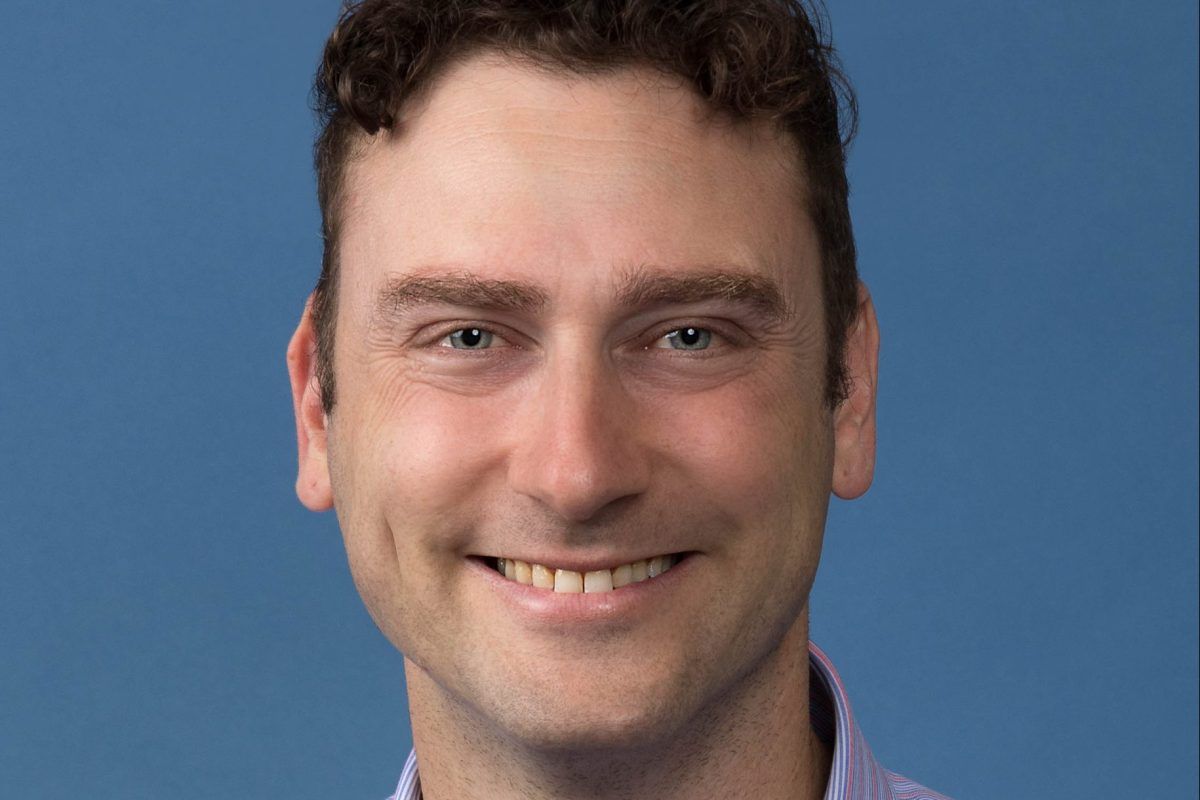
Rosalie Lawrence, Ph.D.

Faculty Member

Assistant Professor
Department of Biological Chemistry
David Geffen School of Medicine
University of California, Los Angeles


Personal Statement

I am a cell biologist fascinated by how stress remodels cellular metabolism. Cellular metabolism is not static: the cell can profoundly remodel metabolic networks in response to changing environmental cues including biological stressors. This remodeling process can enable cellular survival in response to acute stress, but can become maladaptive when the new metabolic state becomes chronic and impairs cellular function. This is especially true in the brain, a highly metabolically active organ composed of highly specialized cell types. Dysregulation of cellular stress responses and metabolism in the brain is a hallmark of age-related neurodegenerative disease.

 As a graduate student, I received excellent training in cell biological approaches to studying nutrient sensing and metabolism in the laboratory of Roberto Zoncu. I used live imaging to define mechanisms of amino acid-dependent mTORC1 recruitment to the lysosome and biochemical and structural approaches to discover the Lysosomal Folliculin Complex, which enables mTORC1 to distinguish between its many substrates in a nutrient-dependent manner. In my postdoc in the Peter Walter lab, I built expertise in diverse structural approaches and discovered the allosteric mechanism that activates the Integrated Stress Response. In my own lab, I am leveraging new structural and biochemical insights into mechanisms of Integrated Stress Response (ISR) signaling. Specifically, we model chronic ISR signaling states, which are associated with a wide variety of neurodegenerative diseases, from genetic gliopathies such as Vanishing White Matter Disease to complex neuropathologies such as down sydrome. We have used structure-guided engineering to generate chronic-ISR iPSCs which can be differentiated into disease-associated cell types, including white matter astrocytes and dopaminergic neurons.

I am excited to join the Brain Research Institute in order to interface with a diverse range of researchers and build collaborations to define mechanisms via which disordered stress signaling contributes to neurodegenerative diseases.

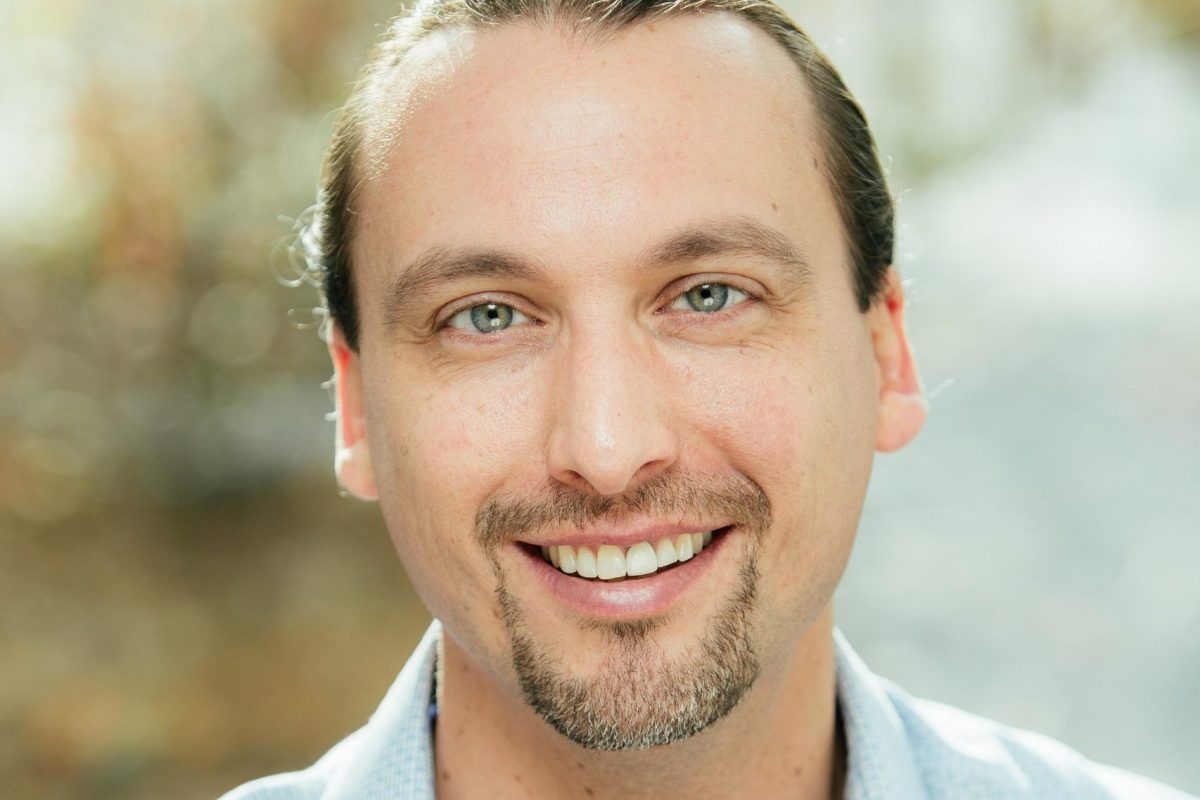
Nina Harawa, Ph.D., M.P.H.

Faculty Member

Professor
Department of Medicine
David Geffen School of Medicine
University of California, Los Angeles


Personal Statement

My research in the areas of HIV, substance use disorder, and incarceration involves substantial proportion of individuals with mental illness, brain injuries, PTSD, and intellectual disabilities. I am interested in the potential for collaborations with BRI researchers that might support or inform improved health for these populations.

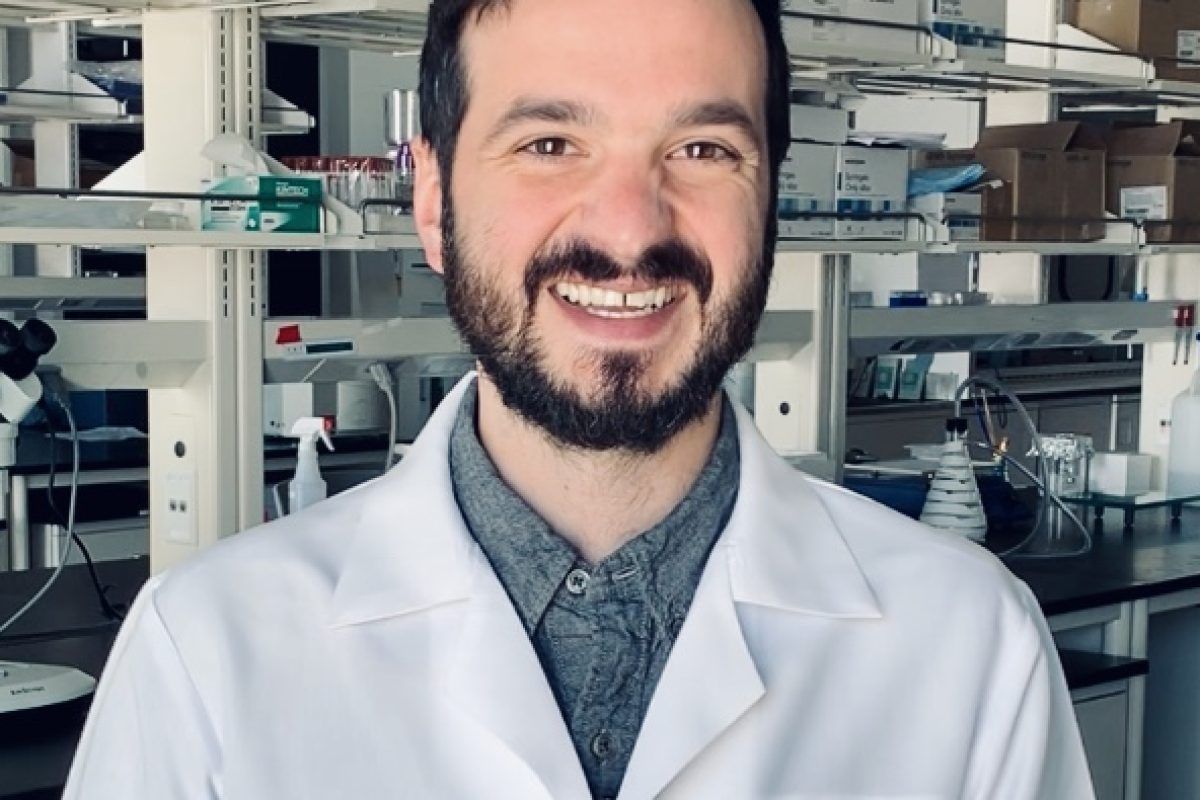
Eraka Bath, M.D.

Faculty Member

Professor
Department of Psychiatry & Biobehavioral Sciences
David Geffen School of Medicine
University of California, Los Angeles


Personal Statement

I am a Professor in Psychiatry with three board certifications; General Psychiatry, Child and Adolescent Psychiatry, and Forensic Psychiatry. Since joining the UCLA faculty in November 2007, I have served as the Director of Child Forensic Services and the psychiatrist appointed to the LAC Juvenile Mental Health Court. Since 2011, I have assisted the LAC Juvenile Court system in developing a more evidenced based protocol for the determination of juvenile adjudicative competency and have been consulting on a range of issues related to programs concerning juvenile legal system-involved youth. In 2012, I was awarded NIH funding with my mentor (PI, Milburn) to adapt STRIVE, a family-based intervention, and examine its efficacy in an RCT in reducing substance use, HIV risk-taking behaviors and delinquency in youth probationers as they transition from incarceration back to the community.

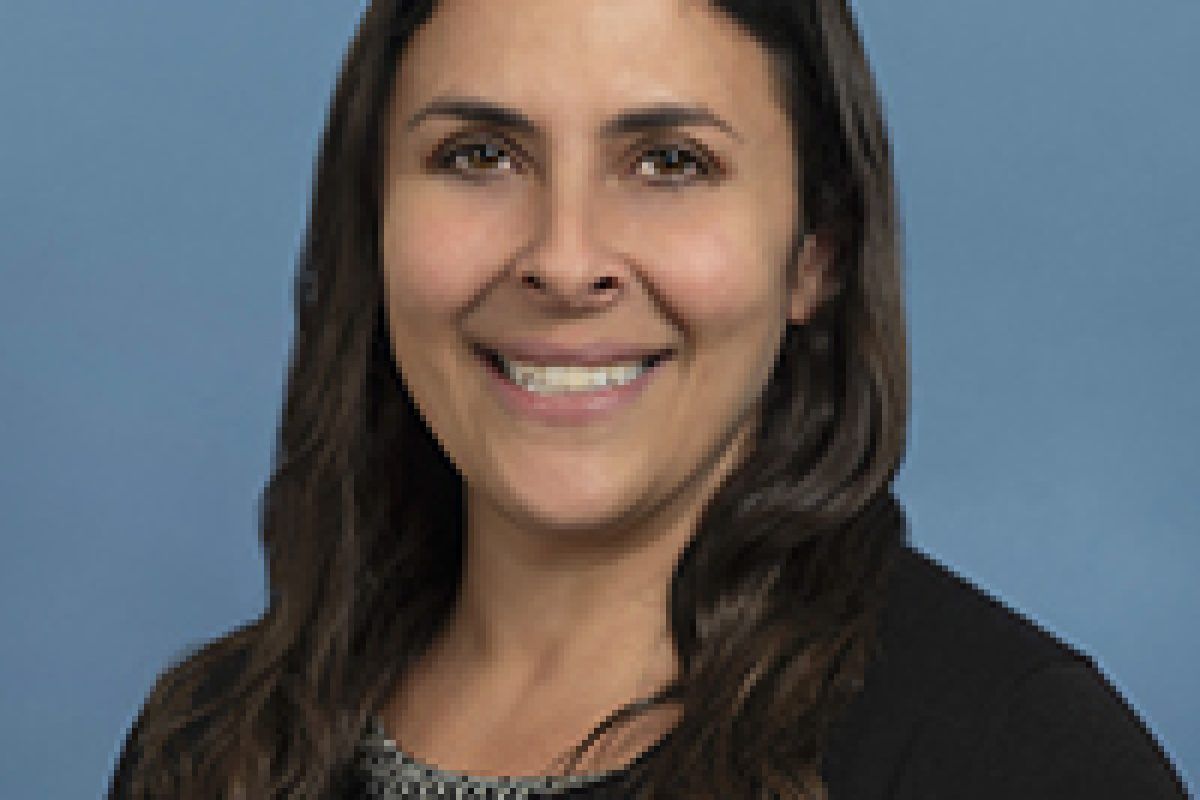
Xinshu (Grace) Xiao, Ph.D.

Faculty Member

Professor
Department of Integrative Biology and Physiology
College of Letters and Sciences
University of California, Los Angeles


Personal Statement

My laboratory investigates RNA-based gene regulation in neurodevelopmental and neurodegenerative disorders, as well as cancer. We employ an integrated approach that combines molecular and cellular biology with high-throughput genomics and computational analysis. Our work focuses on RNA editing, double-stranded RNA biology, alternative splicing, and mRNA stability, using both experimental (wet-lab) and computational (dry-lab) strategies. We generate and analyze large-scale RNA-seq, CLIP-seq, and other omics datasets, and use human stem cells and iPSC-derived models to study post-transcriptional regulation in physiologically relevant systems. To support these efforts, we have developed computational tools for identifying RNA editing sites, predicting functional genetic variants, and analyzing CLIP-seq data, among others, enabling the interpretation of both public and in-house datasets. We also perform in-depth molecular studies to follow up on genomic and computational discoveries, aiming to elucidate the mechanisms of post-transcriptional regulation in both disease and normal physiology.