Posts classified under: Synapses, Cells, and Circuits

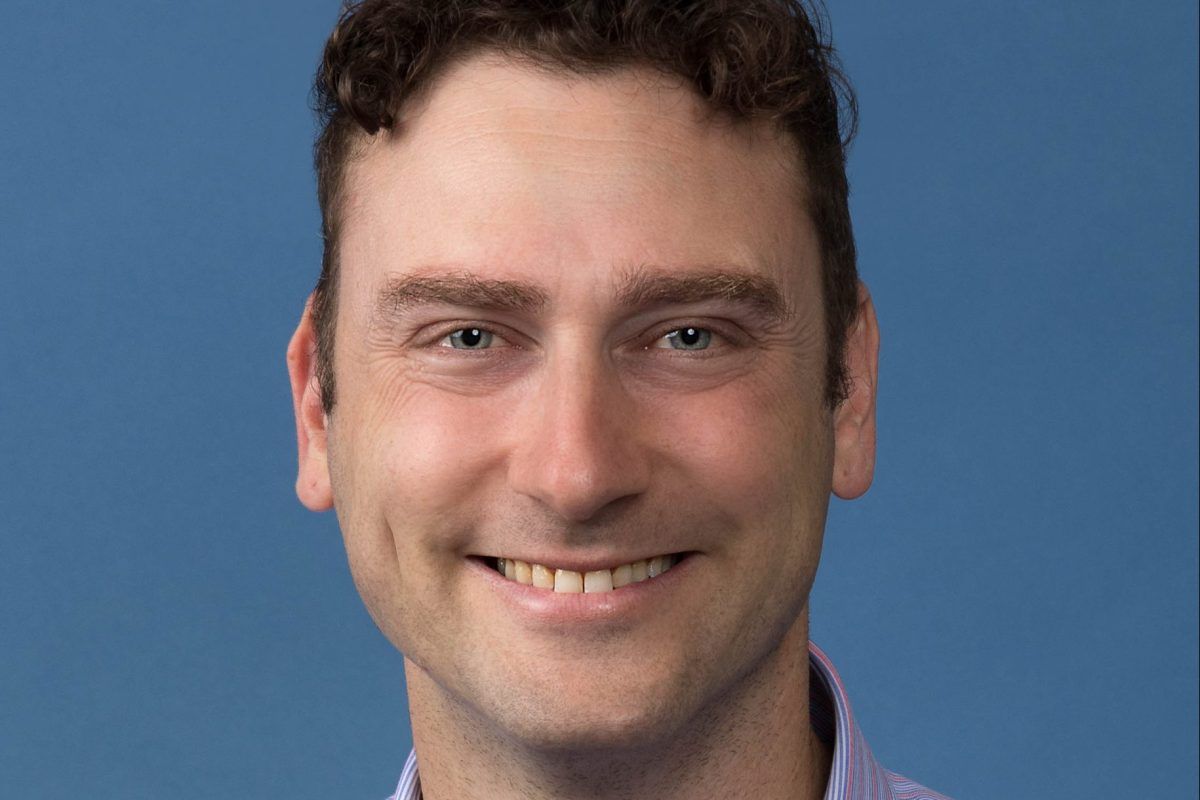
Austin Coley, Ph.D.

Faculty Member

Biography

The Coley laboratory investigates neural populations and dynamics associated with depressive-like behaviors. We apply integrative approaches such as in vivo 2-photon calcium imaging to measure neural activity and population dynamics, and ex vivo electrophysiology to record synaptic properties. We utilize optogenetics techniques to selectively activate neural circuits and assess the response within specific neurons. We also use computer-based tracking systems to monitor behavioral tasks and apply machine learning methods to uncover the relationship between neural activity and behavior. Additionally, we use computational models to further understand neuronal population function in higher-order processing regions.

Publications

Coley, A.A. +, Batra, K., Delahanty, J.M., Keyes, L.R., Pamintuan, R., Ramot, A., Hagemann, J., Lee, C.R., Liu, V., Adivikolanu, H., Cressy, J., Jia, C., Massa, F., LeDuke., D., Gabir, M., Durubeh, B., Linderhof, L., Patel, R., Wichmann, R., Li, H., Fischer, K.B., Pereira, T, Tye, K.M. (2024) BioRxiv. doi.org/10.1101/2024.12.18.629202

Li, H*, Namburi, P*, Olson, J.M.*, Borio, M, Lemieux, M.E., Beyeler, A, Calhoon, G.G., Hitora-Imamura, N, Coley, A.A., Libster, A, Bal, A, Jin, X, Wang, H, Jia, C, Choudhury, S.R., Shi, X, Felix-Ortiz, A.C., De la Fuente, V, Barth, V.P., King, H.O., Izadmehr, E.M., Revanna, J.S., Batra K., Fischer, K.B., Keyes, L.R., Padilla-Coreano, N, Siciliano, C.A., McCullough, K.M., Wichmann, R, Ressler, K.J., Fiete, I.R., Zhang, F, Li, Y, Tye, K.M (2022). Neurotensin orchestrates valence assignment in the amygdala. Nature. doi: 10.1038/s41586-022-04964-y

Coley, A.A.*, Padilla-Coreano, N*, Patel, R*, Tye, K.M (2021). Valence processing in the PFC: reconciling circuit-level and systems-level views. International Review of Neurobiology. doi.org/10.1016/bs.irn.2020.12.002

McEachern, E.P.*, Coley, A.A.*, Yang, S.S., Gao W.J. (2020). “PSD-95 alters GABAergic inhibition in the medial prefrontal cortex.” Neuropharmacology. doi.org/10.1016/j.neuropharm.2020.108277

Coley, A. A. and W.-J. Gao (2019). “PSD-95 deficiency disrupts PFC-associated function and behavior during neurodevelopment.” Scientific Reports 9(1): 9486. doi: 10.1038/s41598-019-45971-w; PMCID: PMC6602948

Hill, S.A.*, Blaeser A.*, Coley, A.A., Xie Y., Shepard K.A., Harwell C., Gao W.J., Garcia A.D.R (2019). Sonic hedgehog signaling in astrocytes mediates cell-type-specific synaptic organization. eLife 8: e45545. doi: 10.7554/eLife.45545; PMCID: PMC6629371

Coley, A. A. and W.-J. Gao (2018). “PSD-95: A synaptic protein implicated in schizophrenia or autism?” Progress in Neuro-Psychopharmacology and Biological Psychiatry 82: 187-194. doi: 10.1016/j.pnpbp.2017.11.016; PMCID: PMC5801047

Yang, S.S., Li Y.C., Coley, A.A., Chamberlain L.A., Yu P., Gao W.J. (2018). Cell-type specific development of the hyperpolarization-activated current, Ih, in prefrontal cortical neurons. Frontiers in Synaptic Neuroscience 10(7): doi:10.3389/fnsyn.2018.00007; PMCID: PMC5958189

Monaco, S.A.*, Coley, A.A.*, Gao W.J (2016). The Convergence of Glutamate and GABA Dysregulation in Schizophrenia. Schizophrenia Treatment: The New Facets. Ed. Yu-Chih Shen. Book Chapter: 1. PMCID not applicable.

Coley, A.A, Ruffin, V.A, Moss, F., Hopfer, U., Boron, W.F. (2013). Immunocytochemical identification of electroneutral Na+-coupled HCO3– transporters in freshly dissociated mouse medullary raphé neurons. Neuroscience. 246:451-67. doi: 10.1016/j.neuroscience.2013.02.064

Van Savage, Ph.D.

Faculty Member

Professor
Department of Computational Medicine
Department of Ecology and Evolutionary Biology

University of California, Los Angeles

Valerie Tornini, Ph.D.

Faculty Member

Assistant Professor
Department of Integrative Biology & Physiology
College of Life Sciences
University of California, Los Angeles


4365A Life Science Building
621 Charles E Young Dr S,
Los Angeles, CA 90095


Research Interests

Dr. Valerie Tornini is a developmental biologist who investigates the cellular and molecular mechanisms of cell specification and specialization in development, particularly of the brain. Her work focuses on understanding the evolving roles of chromatin regulators (including those implicated in autism) and of micropeptides (or sORF-encoded proteins) in vertebrate development. By using zebrafish and other comparative animal models, she is taking candidate and discovery approaches to investigate the gene regulatory networks that establish the cellular diversity of the developing brain. This includes the application of genome engineering, single-cell technologies, behavioral analyses, and pharmacological approaches. Her lab’s current work spans multiple areas, including identifying roles for novel micropeptides in neurodevelopment; chromatin regulators in vertebrate development and behavior; non-neuronal regulation during development and aging; the evolution of vertebrate brain cell states; and bioethics, neuroethics, and genetics.

Gil Hoftman, M.D., Ph.D.

Biography

Dr. Hoftman’s laboratory works in the areas of genetic and clinical high risk for psychosis, schizophrenia, and neurodevelopment using imaging transcriptomics and molecular neuroscience, with the goal of connecting the molecular underpinnings of disruptions in neural circuitry in psychosis risk to in vivo human brain development. His research is or has been funded by the National Institute of Mental Health, Burroughs Wellcome Fund Career Award for Medical Scientists, Sorensen Foundation Award for Child & Adolescent Psychiatrists, Brain and Behavior Research Foundation NARSAD Karen Seykora Young Investigator Award, UCLA Friends of Semel Institute Award, and Della Martin Award. Dr. Hoftman is dedicated to delivering evidence based TMS treatment for depression and numerous additional conditions offered in clinic, as well as its applications for psychosis and in children and adolescents.