
Posts classified under: K

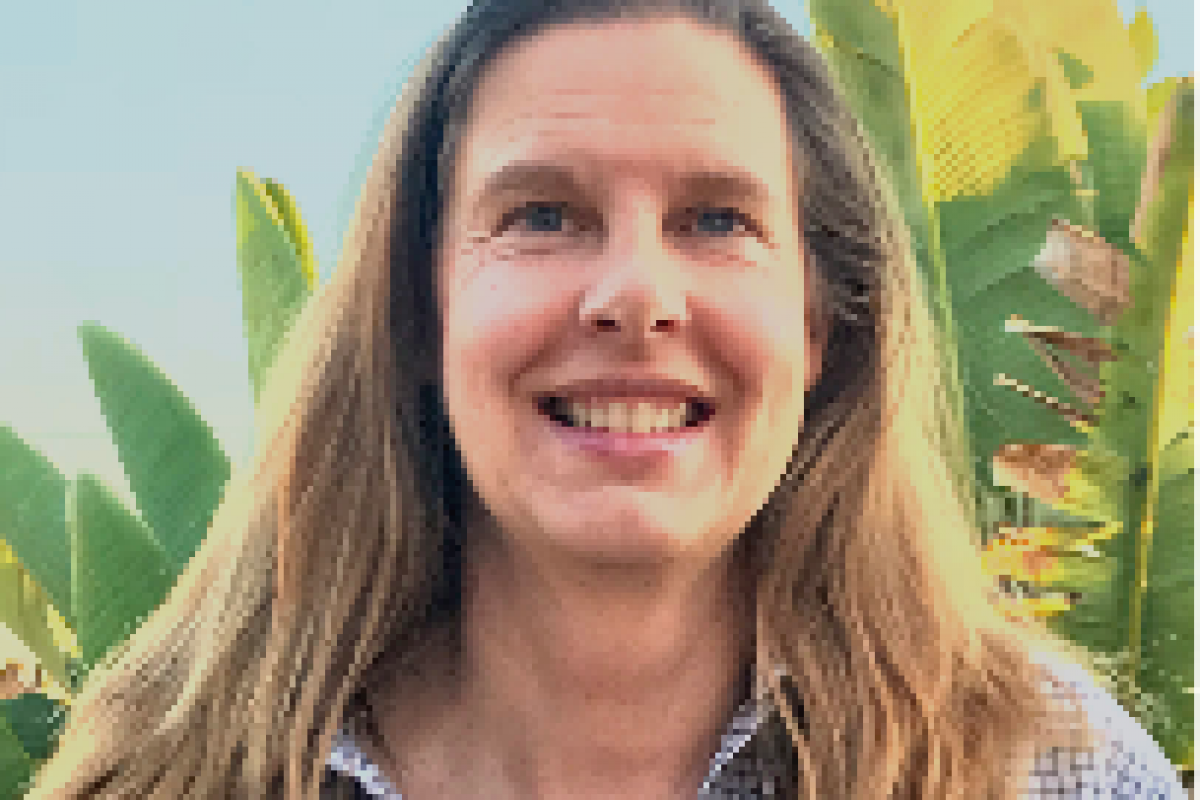
Genevieve Konopka, Ph.D.

Faculty Member

Professor & Chair
Department of Neurobiology
David Geffen School of Medicine
University of California, Los Angeles

Personal Statement

The research in the Konopka lab focuses on understanding the molecular pathways important for human brain evolution that are at risk in cognitive disorders such as autism, schizophrenia, and Alzheimer’s disease.

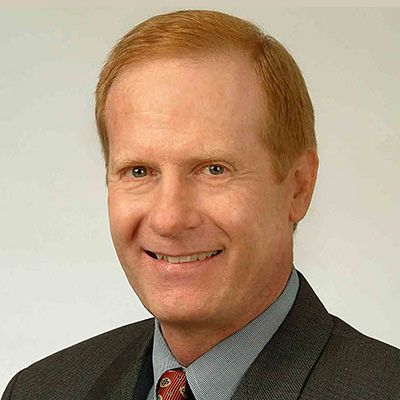
Sahib Khalsa, M.D., Ph.D.

Associate Member

Associate Professor in Residence
Director of Anxiety Disorders Research

Department of Psychiatry & Biobehavioral Sciences
David Geffen School of Medicine
University of California, Los Angeles


Personal Statement

My research focuses on understanding the pathophysiological basis of interoception, the process by which the nervous system senses internal body signals that are used to regulate bodily homeostasis. In addition, I investigate neuroscience-informed clinical applications of interoceptive interventions for disorders affecting physical or mental health. My interdisciplinary expertise harnesses methods from pharmacology, cognitive neuroscience, functional neuroimaging, electroencephalography, computational psychiatry, and behavioral clinical trials and applies them to 1) develop better methods for assessing interoception, and 2) answer basic and clinical questions in individuals with psychiatric disorders, including anxiety and eating disorders, and individuals with medical conditions, including cardiac arrhythmias. My work aims to determine how a better understanding of the pathophysiological basis of interoceptive symptoms can be translated clinically via the systematic testing of novel experimental therapeutics for these conditions. To accomplish these aims, I have integrated numerous methods to interrogate cardiovascular, respiratory, and gastrointestinal interoception across psychiatric and medical conditions, including the combination of pharmacological probes with functional magnetic resonance imaging (pharmaco-fMRI), combination of mechanosensory probes with electroencephalography (EEG) and computational modeling, and evaluation of non-pharmacologic interventions for anxiolysis (floatation-REST; Reduced Environmental Stimulation Therapy aka ‘float therapy’). My research projects have been NIH funded at the principal investigator level at every stage of my career (F31, R01 supplement, K23, R34, R01, and P20 subproject), as well as by private foundation and industry grants. Over the past 9 years I served as Director of Clinical Operations at the Laureate Institute for Brain Research (LIBR), supervising numerous NIH and industry-sponsored clinical trials, ensuring the safety of participants and successful completion of project-specific data collection.

Ian Krajbich, Ph.D.

Faculty Member

Biography

Ian is an Associate Professor in the Department of Psychology at UCLA. Prior to coming to UCLA, he was faculty in the Departments of Psychology and Economics at The Ohio State University. Prior to that, he was a postdoctoral scholar at the University of Zurich, with Ernst Fehr. And before that, Ian spent ten years at Caltech, earning his Ph.D. in Behavioral and Social Neuroscience with Antonio Rangel, Colin Camerer, Ralph Adolphs and John Ledyard, his M.Sc. in Social Science, and his B.Sc. in Physics and Business Economics & Management.

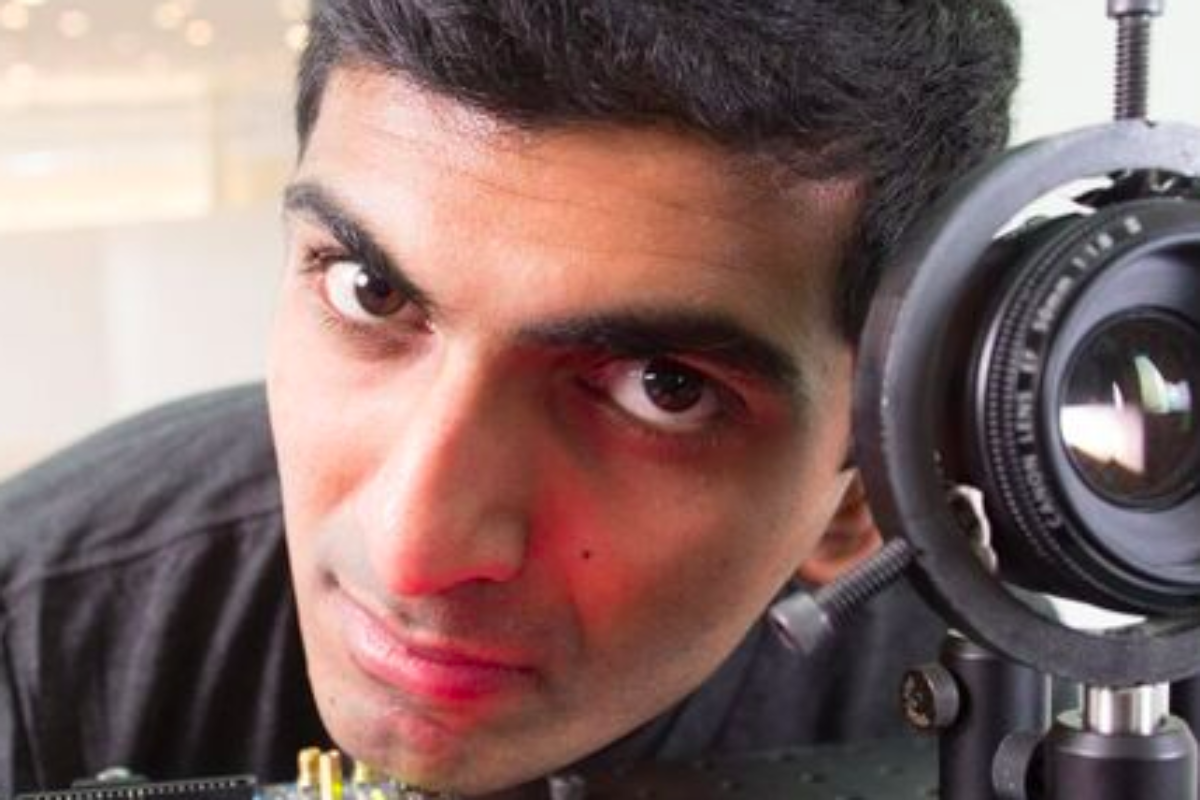
Achuta Kadambi, Ph.D.

Biography

Achuta Kadambi (PhD, MIT ‘18) is an Associate Professor at UCLA in Electrical Engineering and Computer Science. He leads an interdisciplinary research group that focuses on AI, and recruits PhD students from the EE, CS, and Bioengineering Departments. He is the recipient of early career awards including from NSF (CAREER), DARPA (YFA), ARO (YIP), IEEE (HKN under 35 award), and Forbes (30 under 30). He has co-founded two California companies to commercialize research technologies. Kadambi has filed over 70 patents, 30+ of which have been issued to date and has co-authored a textbook, Computational Imaging (MIT Press, 2022).

1 2 3 5